Dual Enrollment 2026: Earn College Credits in High School
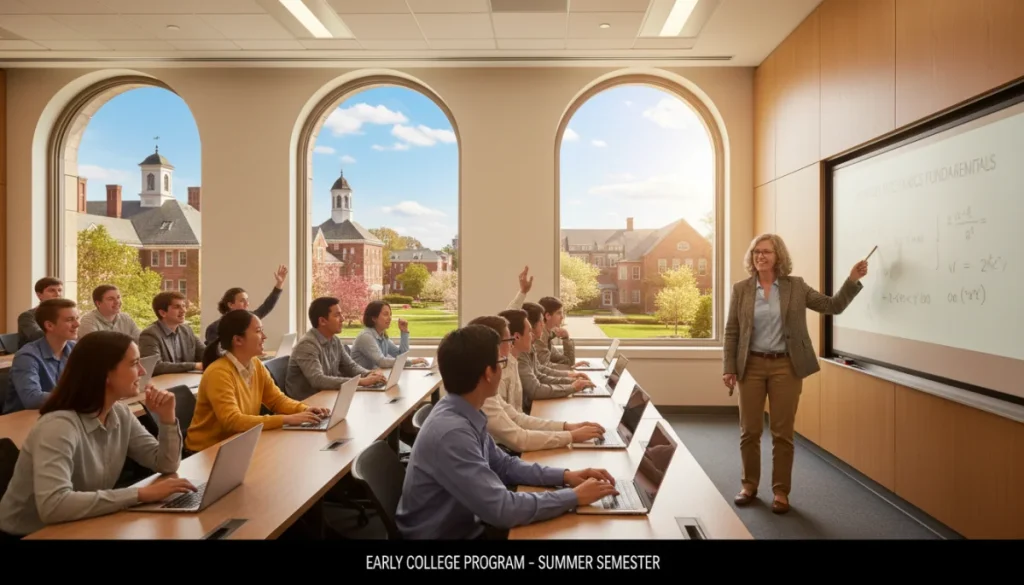
Dual enrollment programs in 2026 offer high school students an invaluable chance to earn college credits, accelerating their academic journey and significantly reducing future tuition costs.
Are you a high school student or parent looking for a competitive edge in higher education? The dual enrollment programs of 2026 present an unparalleled opportunity to jumpstart your college career, saving both time and money. This comprehensive guide will navigate you through everything you need to know about these increasingly popular programs, from benefits and eligibility to application processes and future implications.
Understanding dual enrollment programs in 2026
Dual enrollment, often referred to as concurrent enrollment, allows high school students to take college-level courses and earn credit simultaneously for both their high school diploma and a college degree. This educational model has evolved significantly, becoming a more streamlined and accessible pathway for ambitious students in 2026. These programs are typically offered through partnerships between high schools and local colleges or universities, providing a diverse range of academic subjects.
The core philosophy behind dual enrollment is to bridge the gap between secondary and post-secondary education. By exposing students to the rigor of college coursework early, it helps them develop essential academic skills, time management abilities, and a deeper understanding of various subjects. This early exposure can be critical in preparing students for the demands of a full college curriculum, making the transition smoother and more successful.
What defines dual enrollment in 2026?
In 2026, dual enrollment programs are characterized by their increased flexibility and integration. Many programs now offer online courses, hybrid formats, and even on-campus experiences during the summer, catering to diverse student needs and schedules. Funding models have also expanded, with more states and districts offering financial assistance or fully covering tuition costs, making these programs more equitable.
- Integrated curriculum: Courses are often designed to align with high school requirements while meeting college standards.
- Diverse course offerings: Students can choose from a wide array of subjects, from STEM to humanities.
- Flexible learning formats: Options include online, in-person, and hybrid classes to suit student lifestyles.
- Enhanced accessibility: Increased financial support and program availability make dual enrollment more widespread.
The evolution of dual enrollment in 2026 emphasizes not just academic advancement but also holistic student development. It’s about providing a robust educational experience that encourages intellectual curiosity and personal growth, setting students up for long-term success in their academic and professional lives.
The myriad benefits of dual enrollment for high schoolers
Participating in dual enrollment programs offers a multitude of advantages that can significantly impact a student’s academic trajectory and future prospects. Beyond simply earning college credits, these programs provide a unique opportunity for personal and intellectual growth that extends far beyond the classroom. The benefits are both immediate and long-lasting, influencing college admissions, financial planning, and academic readiness.
One of the most compelling benefits is the substantial financial savings. By earning college credits while still in high school, students can reduce the overall cost of their future college education. This can translate into fewer semesters of tuition, housing, and other associated fees, making higher education more affordable and accessible. For many families, this financial relief is a primary motivator for exploring dual enrollment options.
Academic and personal advantages
Dual enrollment provides a rigorous academic environment that challenges students intellectually and helps them develop critical thinking skills. It offers a taste of college life, allowing students to experience the academic expectations and social dynamics of a university setting before making a full commitment. This exposure can be invaluable in helping students determine their academic interests and career paths.
- Early college experience: Familiarization with college-level coursework and expectations.
- Improved academic preparedness: Development of stronger study habits and critical thinking.
- Enhanced college applications: Demonstrates initiative and academic rigor to admissions committees.
- Potential for early graduation: Accumulating credits can shorten the time needed for a bachelor’s degree.
Moreover, students often find that excelling in dual enrollment courses boosts their confidence and self-esteem. Successfully navigating challenging college courses can empower them, instilling a sense of accomplishment and readiness for future academic endeavors. This psychological benefit is often underestimated but plays a crucial role in a student’s overall educational journey.
Eligibility and application process for 2026 programs
While the benefits of dual enrollment are clear, understanding the eligibility criteria and application process is crucial for successful participation. These requirements can vary significantly depending on the college or university offering the program, as well as state-specific regulations. It’s essential for students and parents to research these details thoroughly and plan accordingly.
Generally, eligibility for dual enrollment programs in 2026 includes academic prerequisites such as a minimum GPA, strong performance in specific high school subjects, and sometimes standardized test scores. Colleges want to ensure that students are academically prepared for the rigor of college-level work. Some programs may also have age restrictions or require recommendations from high school counselors.
Navigating the application steps
The application process typically involves several key steps. Students will usually need to complete an application form for the college, submit their high school transcripts, and provide any required test scores. It’s also common for high school counselors to play a vital role in this process, assisting students with paperwork and ensuring they meet all necessary deadlines.
- Research program requirements: Understand specific GPA, course, and test score prerequisites.
- Consult with high school counselor: Get guidance on course selection and application procedures.
- Complete college application: Fill out forms accurately and submit all required documentation.
- Meet deadlines: Timely submission of materials is crucial for consideration.
It is highly recommended that students begin exploring dual enrollment options early in their high school career, ideally by their sophomore year. This allows ample time to meet prerequisites, understand the application process, and choose courses that align with their academic and career goals. Proactive planning is key to maximizing the opportunities presented by these programs.
Choosing the right dual enrollment courses
Selecting the appropriate dual enrollment courses is a critical decision that can profoundly influence a student’s academic success and future college path. It’s not just about accumulating credits, but about choosing courses that are both challenging and relevant to a student’s interests and potential college major. A thoughtful approach to course selection can make all the difference in a positive dual enrollment experience.
Students should consider their academic strengths and weaknesses when choosing courses. Opting for subjects they genuinely enjoy and excel in can lead to greater engagement and better performance. Conversely, taking a college-level course in a subject where a student struggles might be counterproductive, potentially affecting their GPA and overall academic confidence. Balance is key in making these choices.
Strategic course selection tips
In 2026, many dual enrollment programs offer robust advising services to help students make informed decisions. These advisors can provide insights into course transferability, degree requirements, and how specific courses might align with a student’s future academic plans. Leveraging these resources is highly recommended to ensure credits earned will be beneficial.
- Align with college major: Choose courses that fulfill general education requirements or relate to a prospective major.
- Consider transferability: Verify that credits will transfer to the desired future college or university.
- Assess workload: Be realistic about the time commitment and academic rigor of college courses.
- Explore interests: Use dual enrollment as an opportunity to explore new subjects without financial risk.
Furthermore, it’s advisable to check with potential colleges about their specific policies regarding dual enrollment credits. Some institutions have limits on the number of credits they accept or specific course requirements. Understanding these nuances upfront can prevent future complications and ensure that the efforts invested in dual enrollment truly pay off.
Maximizing your dual enrollment experience
Simply enrolling in dual enrollment courses is just the first step; maximizing the experience requires dedication, strategic planning, and active engagement. Students who approach these programs with a proactive mindset tend to reap the greatest rewards, both academically and personally. It’s about leveraging every aspect of the opportunity to build a strong foundation for higher education.
One crucial aspect of maximizing the experience is developing effective study habits. College courses often demand more independent learning and critical thinking than high school classes. Students should practice effective time management, note-taking, and research skills. Utilizing campus resources, such as tutoring centers and writing labs, can also provide invaluable support and enhance learning outcomes.
Engaging with college resources
Beyond academics, dual enrollment offers a chance to immerse oneself in a college environment. Participating in campus activities, joining student clubs, or attending lectures can provide a richer experience and help students feel more connected to their college community. This engagement can also lead to networking opportunities and exposure to diverse perspectives.
- Utilize academic support: Access tutoring, writing centers, and library resources.
- Engage with professors: Attend office hours, ask questions, and build rapport.
- Participate in campus life: Join clubs, attend events, and connect with peers.
- Seek mentorship: Look for guidance from college advisors and faculty.
Ultimately, maximizing the dual enrollment experience is about taking ownership of one’s education. It involves being proactive in seeking help, actively participating in class, and embracing the challenges that come with college-level work. This holistic approach not only leads to better grades but also fosters a sense of independence and self-reliance that is essential for future success.
The future of dual enrollment: trends for 2026 and beyond
Dual enrollment programs are not static; they are continually evolving to meet the changing needs of students and the educational landscape. In 2026, several key trends are shaping the future of these programs, making them even more impactful and accessible. Understanding these trends can help students and educators anticipate future opportunities and challenges.
One significant trend is the expansion of online and hybrid dual enrollment options. The flexibility offered by virtual learning has proven invaluable, especially for students in rural areas or those with demanding schedules. This widespread adoption of technology ensures that more students can access high-quality college courses regardless of their geographical location or personal circumstances.
Emerging models and innovations
Another emerging trend is the increasing focus on career-technical dual enrollment. These programs allow high school students to earn college credits in vocational fields, preparing them for immediate employment or further specialized training. This shift reflects a growing recognition of the importance of skilled trades and technical professions in the modern economy.
- Increased online accessibility: More virtual and hybrid course offerings for greater flexibility.
- Focus on career pathways: Expansion of career-technical dual enrollment programs.
- Enhanced state funding: Greater government support to make programs more affordable.
- Personalized learning paths: Development of tailored programs to meet individual student needs.
The future of dual enrollment in 2026 and beyond looks bright, with a clear trajectory towards more inclusive, flexible, and career-focused opportunities. As educational institutions continue to innovate and collaborate, these programs will undoubtedly play an even more pivotal role in shaping the educational journeys of countless high school students, preparing them for a dynamic future.
Potential challenges and how to overcome them
While dual enrollment offers numerous benefits, it’s also important to acknowledge and prepare for potential challenges. Being aware of these hurdles can help students and parents develop strategies to overcome them, ensuring a smoother and more successful experience. Proactive problem-solving is key to navigating any difficulties that may arise during the program.
One common challenge is the increased academic rigor of college-level courses. Students might find the workload more demanding, the pace faster, and the expectations higher than in high school. This can lead to stress and, if not managed properly, could impact their grades. It’s essential for students to be honest about their academic capacity and seek help when needed.
Strategies for success
Another potential hurdle is the transferability of credits. While most dual enrollment credits are designed to transfer, policies can vary widely between institutions and even specific programs. Students must confirm credit transferability with their prospective colleges to avoid disappointment or having to retake courses. This due diligence is a critical step in the planning process.
- Manage workload effectively: Prioritize tasks and allocate sufficient study time for college courses.
- Communicate with instructors: Seek clarification on assignments and ask for support when struggling.
- Verify credit transferability: Confirm with target colleges how dual enrollment credits will be accepted.
- Maintain a balance: Ensure dual enrollment doesn’t overwhelm high school commitments or personal life.
Overcoming these challenges often boils down to good planning, open communication, and self-advocacy. Students who are proactive in addressing potential issues, whether by seeking academic support or clarifying transfer policies, are more likely to have a positive and rewarding dual enrollment experience. The effort invested in preparation pays dividends in the long run.
| Key Aspect | Brief Description |
|---|---|
| Financial Savings | Reduces overall college costs by earning credits at a lower or no tuition rate. |
| Academic Preparedness | Prepares students for college rigor, fostering critical thinking and time management. |
| Application & Eligibility | Requires specific GPA, recommendations, and timely submission to participating colleges. |
| Course Selection | Crucial to choose courses aligning with interests, major, and ensuring credit transferability. |
Frequently Asked Questions about Dual Enrollment
Dual enrollment programs allow eligible high school students to take college-level courses and simultaneously earn credit for both their high school diploma and a college degree. These programs are offered through partnerships between high schools and local colleges or universities, providing a head start on higher education.
By earning college credits while still in high school, students can complete a portion of their college degree at a significantly reduced cost, or sometimes even for free. This directly translates to fewer semesters of tuition and associated fees once they formally enroll in college, leading to substantial financial savings.
While many dual enrollment credits are transferable, it is not universally guaranteed. Transfer policies vary by institution and state. Students should always verify with their prospective colleges and universities about their specific policies regarding the acceptance and application of dual enrollment credits before enrolling in courses.
Eligibility often includes a minimum GPA, strong academic performance in relevant high school subjects, and occasionally standardized test scores. Some programs might also have age requirements or necessitate recommendations from high school counselors to ensure students are prepared for college-level rigor.
Students can maximize their experience by developing strong study habits, effectively managing their time, utilizing college academic support resources, engaging with professors, and participating in campus activities. Proactive communication and strategic course selection aligned with future goals are also crucial for success.
Conclusion
The 2026 landscape for dual enrollment programs presents an exciting and increasingly accessible avenue for high school students to gain a significant academic and financial head start. By earning college credits early, students not only reduce the overall cost and time required for a degree but also develop crucial academic skills and confidence. While challenges such as academic rigor and credit transferability exist, proactive planning, diligent research, and effective utilization of resources can help students navigate these hurdles successfully. As these programs continue to evolve with flexible formats and career-focused pathways, dual enrollment remains a powerful tool for ambitious students to shape their educational future.
