Digital Banking 2026: Security & Convenience for U.S. Consumers
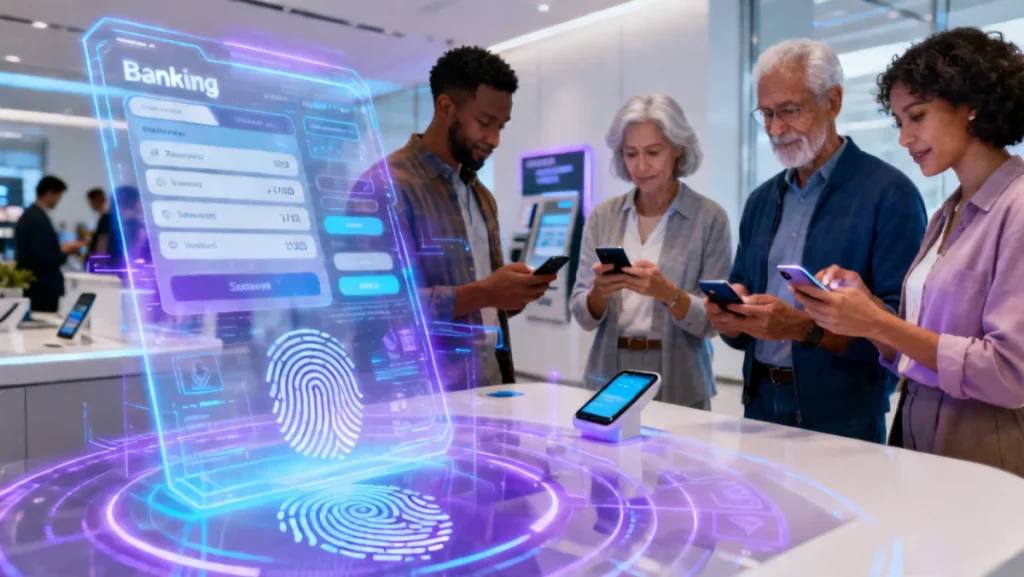
By 2026, digital banking in the U.S. will prioritize advanced security protocols and seamless convenience, integrating AI, biometric authentication, and personalized services to foster trust and accessibility for consumers.
The landscape of finance is constantly evolving, and by 2026, the future of digital banking in 2026: security and convenience for U.S. consumers will be redefined by innovative technologies and shifting consumer expectations. This exploration delves into how financial institutions are preparing to offer more secure, accessible, and user-friendly digital experiences, ensuring peace of mind alongside unparalleled ease of use for Americans.
The Rise of AI and Machine Learning in Financial Security
Artificial Intelligence (AI) and Machine Learning (ML) are not just buzzwords; they are transforming the very foundation of digital banking security. These technologies are becoming indispensable tools for identifying and mitigating threats in real-time, offering a proactive defense against increasingly sophisticated cyberattacks.
Financial institutions are heavily investing in AI-powered systems to analyze vast amounts of transactional data, pinpointing unusual patterns that could indicate fraudulent activity. This goes beyond traditional rule-based systems, allowing for a more dynamic and adaptive security posture.
Predictive Fraud Detection
AI algorithms can learn from past fraud instances and predict potential future attacks, often before they even occur. This predictive capability is a game-changer, moving from reactive responses to proactive prevention.
- Real-time transaction monitoring for anomalies.
- Behavioral biometrics to verify user identity.
- Automated alerts for suspicious activities.
- Continuous learning and adaptation to new threats.
The integration of AI also enhances the efficiency of security operations, reducing false positives and allowing security teams to focus on genuine threats. This means fewer interruptions for legitimate users and a more robust defense against malicious actors. The continuous evolution of these AI models ensures that security measures remain one step ahead of cybercriminals.
Ultimately, AI and ML are not just about protecting money; they’re about safeguarding trust. As digital banking becomes more pervasive, the ability to ensure the integrity and security of every transaction will be paramount, and AI is at the forefront of this crucial endeavor.
Biometric Authentication: A New Standard for Access
The days of relying solely on passwords are rapidly fading into the past. By 2026, biometric authentication methods are set to become the standard for accessing digital banking services in the U.S., offering a blend of enhanced security and unparalleled convenience.
Fingerprint scans, facial recognition, and voice identification are no longer futuristic concepts; they are already integrated into many mobile devices and are being widely adopted by financial institutions. These methods provide a more secure and personalized way to verify identity, significantly reducing the risk of unauthorized access.
Seamless User Experience
Beyond security, biometrics offer a frictionless user experience. Logging into an account or approving a transaction can be done with a quick glance or a touch, eliminating the need to remember complex passwords or carry physical tokens.
- Fingerprint scanning for quick logins.
- Facial recognition for secure transaction approval.
- Voice authentication for phone banking services.
- Iris scanning for high-security applications.
The convenience factor is a major driver for the adoption of biometrics. Consumers are increasingly demanding effortless interactions, and biometric authentication delivers precisely that. It’s not just about making banking safer; it’s about making it simpler and more intuitive for everyday use. As technology advances, the accuracy and reliability of these biometric systems will only improve, solidifying their role as a cornerstone of digital banking security.
The shift towards biometric authentication represents a significant leap forward in both security and user convenience, addressing two of the most critical aspects of modern digital banking. It ensures that only authorized users can access accounts, while also streamlining the entire banking process.
Hyper-Personalization and Customer-Centric Design
The future of digital banking in 2026 isn’t just about security; it’s also about creating highly personalized and customer-centric experiences. Financial institutions are realizing that generic services no longer cut it. Consumers expect their banking apps and platforms to understand their individual needs and offer tailored solutions.
This personalization goes beyond simply knowing a customer’s name. It involves leveraging data analytics to offer proactive financial advice, customized product recommendations, and intuitive interfaces that adapt to user behavior. The goal is to make banking feel less like a transaction and more like a supportive partnership.
Tailored Financial Guidance
Imagine a banking app that not only tracks your spending but also offers personalized insights on how to save more effectively for a specific goal, or suggests investment opportunities aligned with your risk tolerance. This level of personalized guidance will become commonplace.
- Personalized budgeting tools and spending insights.
- Proactive alerts for financial opportunities or risks.
- Customized product offerings based on user profiles.
- Intuitive interfaces adapting to individual preferences.
Customer-centric design ensures that every interaction is smooth, efficient, and relevant. This includes simplified navigation, clear communication, and easy access to support when needed. The focus is on reducing friction and enhancing the overall user journey, making digital banking a truly enjoyable experience.
By prioritizing hyper-personalization, banks can build stronger relationships with their customers, fostering loyalty and trust. This approach moves beyond simply providing financial services to becoming a trusted financial partner in every aspect of a consumer’s life.
Blockchain Technology and Distributed Ledger Security
Blockchain technology, often associated with cryptocurrencies, is emerging as a powerful tool for enhancing security and transparency in traditional digital banking. Its distributed and immutable ledger system offers a robust framework for securing transactions and records, making it incredibly difficult for fraudsters to tamper with data.
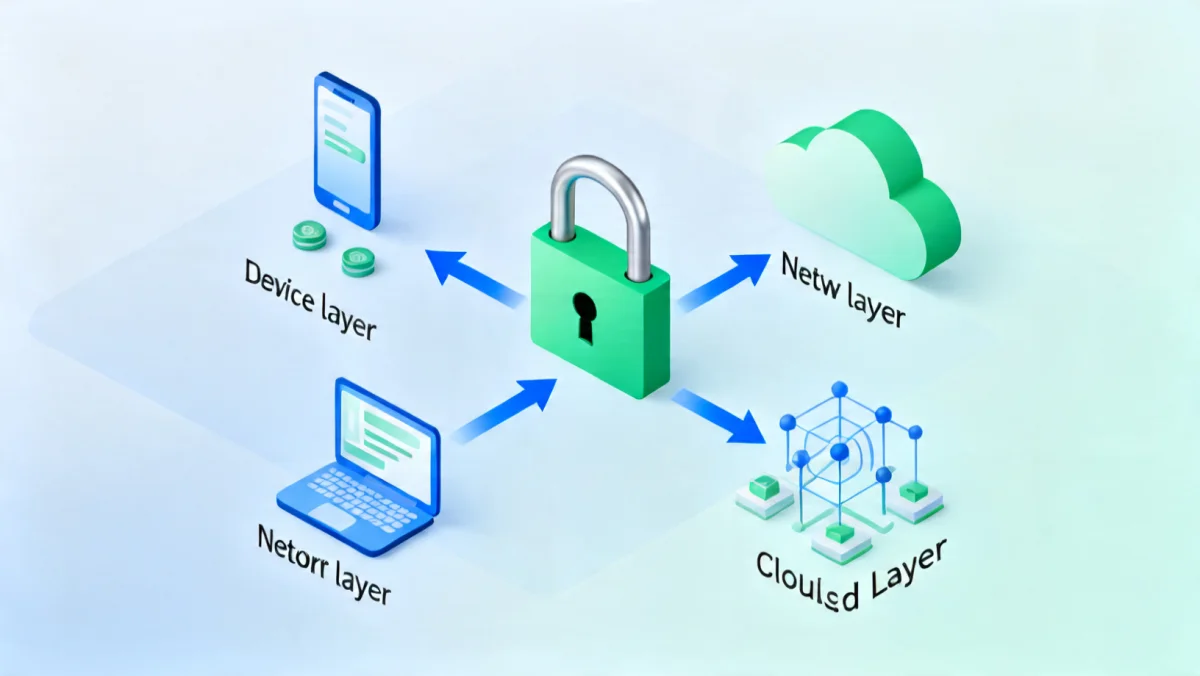
By 2026, we can expect to see increased adoption of blockchain for various banking applications, from secure payment processing to identity verification and smart contracts. This technology adds an extra layer of cryptographic security that is inherently resistant to hacking and fraud.
Enhanced Transaction Integrity
Every transaction recorded on a blockchain is cryptographically linked to the previous one, forming an unbreakable chain. This makes it virtually impossible to alter a record without affecting all subsequent blocks, ensuring the integrity of financial data.
- Secure and transparent transaction records.
- Immutable ledgers preventing data tampering.
- Decentralized identity management.
- Faster and more efficient cross-border payments.
Beyond security, blockchain also offers the potential for greater efficiency and reduced costs in banking operations. By streamlining processes and eliminating intermediaries, it can make financial services faster and more affordable. The transparent nature of blockchain also increases accountability and trust among participants.
While full-scale integration is still evolving, the foundational benefits of blockchain in terms of security and efficiency are undeniable. Its role in fortifying digital banking systems against cyber threats and ensuring data integrity will only grow in importance.
Open Banking and API-Driven Innovation
Open banking, facilitated by Application Programming Interfaces (APIs), is a pivotal trend shaping the future of digital banking. It allows third-party financial service providers to securely access customer financial data (with explicit consent), leading to a wave of innovative products and services that enhance convenience and choice for consumers.
By 2026, open banking frameworks will be more mature and widespread across the U.S., driving collaboration between traditional banks, fintech startups, and other service providers. This ecosystem fosters competition and pushes the boundaries of what digital banking can offer.
Integrated Financial Ecosystems
Consumers will benefit from a more integrated financial ecosystem where they can manage all their accounts, investments, and financial planning tools from a single platform, regardless of where their money is held.
- Consolidated view of all financial accounts.
- Easier access to personalized financial advice.
- Seamless integration with budgeting and investment apps.
- Increased competition leading to better services.
The security aspect of open banking is paramount. Strict regulations and robust API security protocols are being developed to ensure that data sharing is conducted safely and with the highest level of privacy protection. Consumers retain full control over who accesses their data and for what purpose, empowering them in their financial decisions.
Open banking is not just about sharing data; it’s about unlocking new possibilities for consumers, offering them a richer, more connected, and more convenient financial experience. It represents a shift towards a more collaborative and customer-centric financial industry.
Regulatory Evolution and Consumer Protection
As digital banking advances, so too must the regulatory landscape. By 2026, U.S. consumers can expect a more evolved regulatory environment that specifically addresses the unique challenges and opportunities presented by digital financial services. This includes updated frameworks for data privacy, cybersecurity, and consumer protection.
Regulators are working to strike a balance between fostering innovation and ensuring the safety and soundness of the financial system. The goal is to provide clear guidelines for financial institutions while protecting consumers from emerging risks in the digital realm.
Strengthening Data Privacy
New regulations will likely focus on strengthening data privacy rights, giving consumers more control over their personal financial information and how it is used by digital banking providers. This includes transparent data policies and easy-to-understand consent mechanisms.
- Enhanced data privacy laws and regulations.
- Clearer guidelines for cybersecurity practices.
- Stronger consumer protection against digital fraud.
- Increased regulatory oversight of fintech companies.
Consumer education will also play a crucial role. Financial institutions and regulators will collaborate to inform consumers about best practices for digital security, how to identify scams, and their rights when using digital banking services. An informed consumer is a protected consumer.
The evolution of regulations is essential to maintain trust in the digital banking system. By adapting to technological changes, regulators can ensure that the benefits of digital innovation are realized safely and responsibly for all U.S. consumers, fostering a secure and convenient financial future.
The Role of Quantum Computing in Future Security
Looking further ahead, quantum computing presents both a potential threat and a powerful solution for digital banking security. While currently in its nascent stages, by 2026, awareness and preliminary research into quantum-resistant cryptography will be ramping up significantly within the financial sector.
Quantum computers, with their immense processing power, could theoretically break many of the encryption methods currently used to secure digital transactions. This potential vulnerability necessitates proactive research and development into new, quantum-safe cryptographic algorithms.
Preparing for Post-Quantum Cryptography
Financial institutions and cybersecurity experts are already collaborating on developing and standardizing post-quantum cryptography (PQC) to future-proof digital banking systems. This involves creating new encryption techniques that are resistant to attacks from even the most powerful quantum computers.
- Research and development of quantum-resistant algorithms.
- Standardization efforts for post-quantum cryptography.
- Pilot programs for implementing quantum-safe security.
- Long-term planning for cryptographic transitions.
While the full impact of quantum computing on digital banking is still years away, strategic planning and early investment in PQC are critical. This foresight ensures that the security infrastructure of 2026 and beyond will be resilient against future technological advancements.
The conversation around quantum computing highlights the continuous need for innovation in cybersecurity. Digital banking’s future security relies not only on current capabilities but also on anticipating and mitigating the threats of tomorrow, ensuring a secure financial ecosystem for generations to come.
| Key Aspect | Impact on Digital Banking 2026 |
|---|---|
| AI & ML Security | Proactive fraud detection and real-time threat mitigation for enhanced security. |
| Biometric Authentication | Seamless and secure access through fingerprints, facial recognition, and voice. |
| Hyper-Personalization | Tailored financial advice and customized user experiences. |
| Open Banking | Integrated financial ecosystems and innovative third-party services. |
Frequently Asked Questions About Digital Banking in 2026
By 2026, AI will significantly enhance security through predictive fraud detection, real-time transaction monitoring, and behavioral biometrics. These systems learn and adapt to new threats, identifying unusual patterns to prevent unauthorized access and protect your accounts more effectively than ever before.
Common biometric authentication methods by 2026 will include fingerprint scanning, facial recognition, and voice identification. These offer a seamless and highly secure way to log in and authorize transactions, replacing traditional passwords with more convenient and robust identity verification.
Absolutely. Digital banking in 2026 will be hyper-personalized, offering tailored financial advice, customized product recommendations, and intuitive interfaces that adapt to your spending habits and financial goals. This aims to create a more supportive and relevant banking experience.
Open banking benefits U.S. consumers by enabling secure data sharing (with consent) between financial providers. This leads to integrated financial ecosystems, allowing you to manage all your accounts from one platform, access diverse financial products, and benefit from increased competition and innovation.
Regulations are crucial for ensuring the safety and trust of digital banking. By 2026, an evolved regulatory framework will strengthen data privacy, cybersecurity standards, and consumer protection against digital fraud, balancing innovation with the need for a secure and stable financial system.
Conclusion
The journey towards 2026 paints a clear picture of a digital banking landscape in the U.S. that is both highly secure and incredibly convenient. The confluence of advanced AI, widespread biometric authentication, customer-centric design, and the foundational strength of blockchain technology will reshape how Americans interact with their finances. Coupled with evolving regulatory frameworks, these innovations promise a future where banking is not only more efficient and personalized but also fundamentally safer. Financial institutions are committed to building trust through robust security measures and delivering unparalleled convenience, ensuring that the future of digital banking empowers consumers with peace of mind and seamless access to their financial lives.
