AI in Drama Production: 2025 Updates & Integration
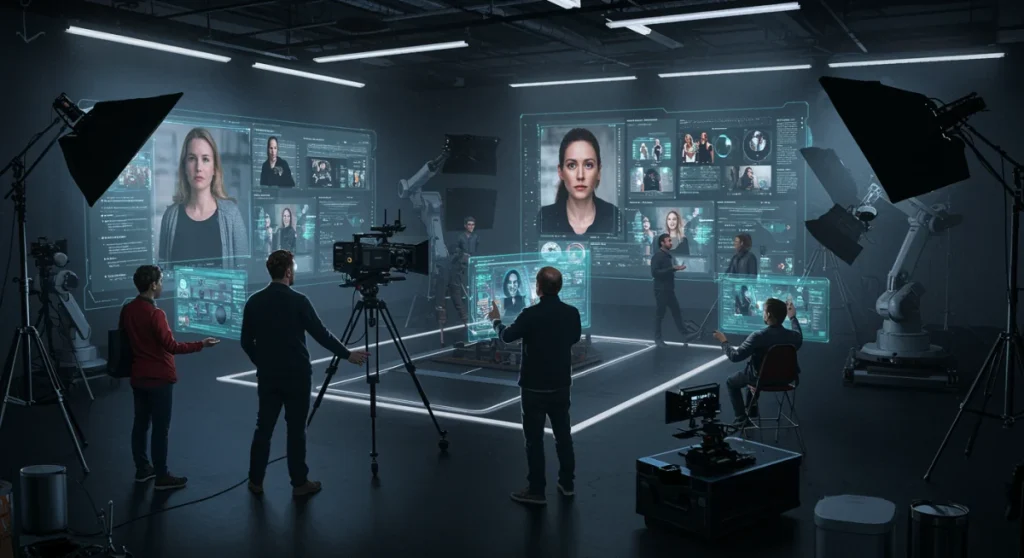
As of early 2025, artificial intelligence is profoundly transforming drama production processes by offering advanced tools for script optimization, virtual environment creation, character performance enhancement, and streamlined post-production workflows, thereby boosting efficiency and creative possibilities across the industry.
The entertainment industry stands at the cusp of a profound transformation, driven by the rapid advancements in artificial intelligence. As of early 2025, the integration of AI into drama production processes is no longer a futuristic concept but a tangible reality, reshaping everything from initial script development to final post-production. This evolution promises not only increased efficiency but also opens up unprecedented creative avenues for storytellers and filmmakers.
AI’s Role in Script Development and Pre-Production
The initial stages of drama production, traditionally reliant on human intuition and extensive manual labor, are now benefiting immensely from AI integration. From generating preliminary script ideas to refining dialogue and analyzing narrative structures, AI tools are becoming indispensable partners for writers and producers.
AI algorithms can analyze vast datasets of successful dramas, identifying common tropes, pacing, and character arcs that resonate with audiences. This analytical capability helps in predicting potential audience reception and optimizing storytelling for maximum impact, while still allowing human creativity to guide the core narrative.
Automated Story Generation and Plot Outlining
New AI models can now generate detailed plot outlines and even draft initial script scenes based on user-defined parameters such as genre, themes, and desired emotional beats. This accelerates the brainstorming process, providing writers with a solid foundation or fresh perspectives from which to build their stories.
- Idea Generation: AI can suggest unique plot twists, character backstories, and thematic elements.
- Structure Analysis: It identifies narrative gaps or inconsistencies, proposing structural improvements.
- Dialogue Enhancement: AI tools refine dialogue for natural flow and character authenticity.
Furthermore, AI assists in character development by creating detailed profiles, including psychological traits, motivations, and evolving relationships, ensuring depth and consistency throughout the series or film. This allows creators to focus on the nuances of performance and direction, knowing the foundational elements are robust.
Virtual Production and Set Design Innovations with AI
Virtual production, already gaining traction, is being further revolutionized by AI as of early 2025. AI-powered tools are making virtual sets more dynamic, realistic, and easier to manage, significantly reducing the costs and logistical challenges associated with traditional set construction and location scouting.
These advancements enable filmmakers to create intricate and visually stunning environments that would be impossible or prohibitively expensive to build physically. AI algorithms can generate highly detailed 3D models and textures, ensuring photorealism and seamless integration with live-action elements.
AI-Enhanced Environment Generation
AI can interpret concept art and descriptive text to generate complex virtual environments almost instantly. This technology allows for rapid iteration and modification, giving directors unparalleled flexibility in visualizing and refining their scenes before a single frame is shot.
- Procedural Generation: AI creates vast, detailed landscapes and cityscapes with minimal human input.
- Dynamic Lighting: Real-time AI adjusts lighting to match desired mood and time of day, enhancing realism.
- Asset Optimization: AI identifies and optimizes 3D assets for efficient rendering and storage.
The ability to simulate various environmental conditions, from weather patterns to crowd movements, offers a new level of immersion. This not only enhances the visual quality of the drama but also provides actors with more convincing surroundings to react to, bridging the gap between virtual and physical performance.
AI in Character Animation and Performance Capture
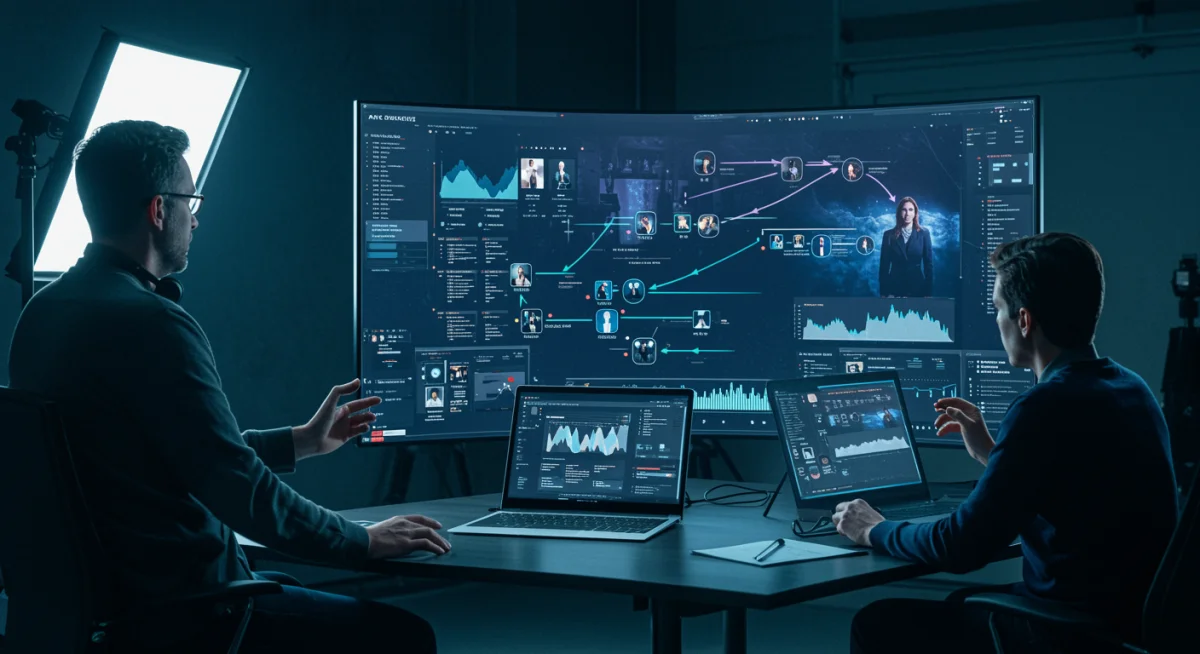
The fidelity and realism of digital characters are reaching new heights thanks to AI. As of early 2025, AI is playing a crucial role in enhancing character animation, making it more fluid, expressive, and less labor-intensive. This is particularly vital for dramas that feature complex CGI characters or require extensive digital doubles.
AI-driven performance capture systems can now translate human movements and facial expressions with unprecedented accuracy onto digital avatars. This allows for a more nuanced portrayal of emotions and physical actions, blurring the lines between live-action and animated performances.
Automated Facial Rigging and Emotion Synthesis
AI algorithms can automate the tedious process of facial rigging, creating highly detailed and expressive facial models from minimal input. Furthermore, AI can synthesize a wide range of emotions, ensuring that digital characters convey the intended feelings with precision and subtlety.
- Realistic Movement: AI refines character movements, making them appear more natural and less robotic.
- Emotion Mapping: It accurately maps human emotions to digital faces, enhancing dramatic impact.
- Lip-Sync Accuracy: AI ensures perfect synchronization between dialogue and character mouth movements.
The integration of AI in this domain not only speeds up production timelines but also allows animators to focus on the artistic aspects of character performance, rather than getting bogged down in technical complexities. This leads to more believable and engaging digital characters that can truly carry emotional weight within a drama.
Enhanced Post-Production Workflows with AI
Post-production, often the most time-consuming phase of drama creation, is undergoing significant optimization through AI integration. From automated editing suggestions to advanced visual effects and sound design, AI tools are streamlining processes and opening up new creative possibilities for filmmakers.
AI can analyze footage for optimal cuts, pacing, and emotional impact, providing editors with intelligent suggestions that accelerate the decision-making process. This allows for more iterative and experimental approaches to editing, leading to more polished and engaging final products.
AI-Powered Editing and Visual Effects
Cutting-edge AI systems can now assist in complex editing tasks, such as scene segmentation, shot selection, and even preliminary color grading. For visual effects, AI automates tasks like rotoscoping, object removal, and even generates complex simulations, drastically reducing render times and human intervention.
- Automated Color Correction: AI balances colors and tones across different shots for continuity.
- Noise Reduction: It intelligently removes visual and audio noise without compromising quality.
- Deepfake Detection/Generation: AI assists in creating or detecting highly realistic digital alterations.
Sound design also benefits greatly from AI, with tools that can generate ambient sounds, clean up audio tracks, and even compose incidental music based on the emotional context of a scene. This comprehensive AI assistance ensures a higher quality final product delivered more efficiently.
AI in Personalized Content Delivery and Audience Engagement
Beyond the production floor, AI is also transforming how drama content is delivered and consumed, fostering deeper audience engagement. As of early 2025, AI-driven platforms are capable of personalizing viewing experiences and optimizing content distribution strategies.
Recommendation algorithms, powered by sophisticated AI, are becoming even more adept at suggesting dramas tailored to individual viewer preferences, increasing discoverability and retention. This moves beyond simple genre matching to understanding complex emotional responses and narrative tastes.
Dynamic Content Adaptation and Interactive Storytelling
AI enables dynamic adaptation of content, where certain elements of a drama can be subtly altered based on viewer data or even in real-time during interactive experiences. This could include personalized endings or variations in character dialogues, creating a unique experience for each viewer.
- Personalized Recommendations: AI suggests dramas based on intricate viewing habits and emotional profiles.
- Interactive Narratives: AI facilitates branching storylines and viewer choices that influence outcomes.
- Optimized Distribution: AI analyzes viewership patterns to determine optimal release schedules and platforms.
This level of personalization not only enhances viewer satisfaction but also provides creators with invaluable insights into audience preferences, allowing them to tailor future productions more effectively. The future of drama consumption is increasingly becoming a bespoke experience, driven by intelligent AI systems.
Ethical Considerations and Future Outlook for AI in Drama
While the integration of AI into drama production offers immense benefits, it also brings forth a host of ethical considerations and challenges that demand careful navigation. As of early 2025, discussions around intellectual property, job displacement, and the potential for algorithmic bias are at the forefront.
Ensuring that AI tools are used responsibly and ethically is paramount to maintaining the integrity and human element of storytelling. The entertainment industry is actively working to establish guidelines and best practices to address these concerns, focusing on collaboration rather than replacement.
Addressing Bias and Creative Ownership
AI models, trained on existing data, can inadvertently perpetuate biases present in that data. Efforts are underway to develop more inclusive and diverse training datasets to mitigate this risk. Furthermore, questions of creative ownership when AI generates content are being debated and legal frameworks developed.
- Bias Mitigation: Developing AI models that promote diverse and equitable representation.
- Intellectual Property: Establishing clear guidelines for ownership of AI-generated creative works.
- Job Evolution: Focusing on upskilling human talent to collaborate effectively with AI tools.
The future of AI in drama production is likely to be one of synergistic collaboration, where human creativity remains central, augmented and amplified by advanced AI capabilities. The goal is to empower artists, not replace them, leading to an era of richer, more diverse, and more efficiently produced dramatic content.
| Key Aspect | AI Integration in Early 2025 |
|---|---|
| Script Development | AI assists with plot outlining, character analysis, and dialogue refinement, speeding up pre-production. |
| Virtual Production | AI generates realistic virtual sets and dynamic environments, reducing physical production costs. |
| Post-Production | AI streamlines editing, visual effects, and sound design, enhancing efficiency and quality. |
| Audience Engagement | AI personalizes content recommendations and enables interactive storytelling experiences. |
Frequently Asked Questions About AI in Drama Production
As of early 2025, AI aids scriptwriting by generating plot outlines, refining dialogue, and analyzing narrative structures for consistency and audience appeal. It helps writers brainstorm ideas and enhance character development, serving as a powerful collaborative tool rather than a replacement for human creativity.
Yes, AI can generate highly detailed and realistic virtual sets and environments based on concept art or textual descriptions. This technology significantly reduces the need for physical sets and location scouting, offering filmmakers greater flexibility and cost savings in creating intricate visual worlds for dramas.
AI in post-production streamlines editing, automates visual effects tasks like rotoscoping and object removal, and assists in sound design. It helps with color correction, noise reduction, and even initial music composition, leading to more efficient workflows and higher quality final products for dramas.
AI enhances audience engagement through personalized content recommendations, suggesting dramas tailored to individual viewing habits and emotional profiles. It also facilitates interactive storytelling, allowing for dynamic content adaptation and viewer choices that can influence narrative outcomes, creating unique experiences.
Ethical challenges include potential algorithmic bias in content generation, concerns over intellectual property rights for AI-created elements, and the impact on human employment. The industry is actively working on guidelines to ensure responsible AI use, focusing on collaboration, upskilling, and bias mitigation.
Conclusion
The integration of AI into drama production processes as of early 2025 marks a pivotal moment for the entertainment industry. From revolutionizing script development and virtual set design to streamlining post-production and personalizing audience engagement, AI is proving to be a powerful catalyst for innovation. While ethical considerations remain, the overarching trend points towards a future where human creativity and artificial intelligence collaborate harmoniously, pushing the boundaries of storytelling and delivering richer, more immersive dramatic experiences to audiences worldwide.
