Veterans’ Benefits 2026: Disability & Education Updates
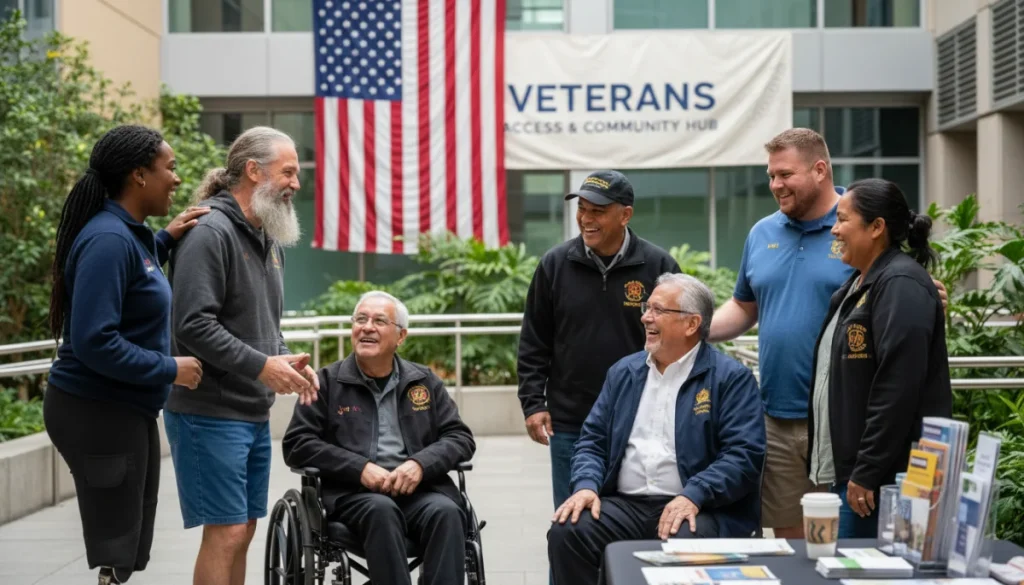
Veterans’ Benefits 2026 brings vital adjustments to disability compensation and education programs, providing enhanced opportunities and support for those who served.
Are you a veteran, or a family member of one, wondering what changes are on the horizon for your support? The landscape of Veterans’ Benefits 2026 is evolving, bringing significant updates to disability compensation, education programs, and various other support initiatives designed to empower our nation’s heroes. Staying informed about these crucial changes is essential to maximize the resources available to you.
Understanding the new disability compensation framework
The year 2026 marks a pivotal moment for veterans’ disability compensation. The Department of Veterans Affairs (VA) is implementing a series of adjustments aimed at streamlining the application process, ensuring fairer evaluations, and providing more comprehensive support for service-connected disabilities. These changes are designed to address long-standing concerns and improve the overall experience for veterans seeking the compensation they rightfully deserve.
Streamlined claims process and digital enhancements
One of the most anticipated improvements is the enhanced digital claims submission system. This new platform aims to reduce paperwork, minimize processing delays, and provide greater transparency throughout the claims lifecycle. Veterans can expect a more intuitive interface and clearer guidance when submitting their applications.
- Online Portal Improvements: The VA.gov portal will feature a redesigned dashboard, allowing veterans to track their claim status in real-time and access personalized resources.
- Automated Document Submission: New tools will facilitate the secure upload of medical records and supporting documents, reducing the need for physical mail.
- Virtual Assistance: AI-powered chatbots and expanded virtual support services will be available to answer common questions and guide veterans through the application steps.
Beyond the digital realm, the VA is also investing in additional training for claims processors. This initiative ensures that staff are better equipped to handle complex cases, understand the nuances of various disabilities, and apply consistent standards across all claims. The goal is to reduce inconsistencies and improve the accuracy of initial decisions, thereby minimizing the need for appeals.
Changes in disability rating criteria
Veterans’ disability ratings are subject to periodic review and adjustment, and 2026 is no exception. While specific percentage changes will vary based on the nature of the disability, the VA is focusing on criteria that better reflect the actual impact of service-connected conditions on a veteran’s daily life and earning capacity. This includes a closer look at mental health conditions and chronic pain, with an emphasis on functional limitations rather functions.
New guidelines are being introduced to ensure a more holistic assessment, moving beyond purely medical diagnoses to consider the veteran’s vocational and social functioning. This approach aims to provide a more accurate and equitable disability rating that genuinely reflects the challenges faced by veterans. Veterans are encouraged to provide detailed personal statements and corroborating evidence from family members or caregivers to support their claims.
Understanding these updates is crucial for veterans preparing to file new claims or seeking re-evaluation of existing ones. The VA’s commitment to a more veteran-centric approach is evident in these reforms, promising a more efficient and fair system for disability compensation.
Enhanced education programs and GI bill modifications
Education remains a cornerstone of veteran reintegration and career advancement, and 2026 brings significant enhancements to VA education programs, particularly the GI Bill. These modifications aim to broaden access, increase flexibility, and better align educational opportunities with current and future job market demands. Whether you’re considering a traditional university degree, vocational training, or non-traditional learning pathways, the updates are designed to support your academic and professional goals.
Expanding eligibility and program options
The Post-9/11 GI Bill, a cornerstone of veteran education, will see some key adjustments. While the core benefits remain, eligibility criteria are being reviewed to potentially include a wider range of service periods and types of service. Furthermore, the VA is expanding the types of educational and training programs that qualify for GI Bill benefits, recognizing the diverse needs and career aspirations of today’s veterans.
- Non-Traditional Learning: More emphasis will be placed on coding bootcamps, apprenticeships, and certifications in high-demand fields like cybersecurity and renewable energy.
- Hybrid Learning Models: Increased flexibility for online and hybrid courses, reflecting the evolving landscape of higher education.
- Entrepreneurship Training: New programs specifically designed to support veterans starting their own businesses, covering business planning, marketing, and financial management.
These expansions aim to provide veterans with more choices and ensure that their educational benefits can be applied to programs that offer the best return on investment for their future careers. The VA is actively partnering with educational institutions and industry leaders to identify and approve high-quality, relevant training opportunities.
Support for military spouses and dependents
Recognizing the sacrifices made by military families, 2026 also brings increased support for spouses and dependents utilizing transferred GI Bill benefits. New counseling services and expanded scholarship opportunities are being introduced to help family members navigate their educational journeys. This includes specialized career counseling tailored to the unique challenges faced by military spouses, such as frequent relocations and employment gaps.
The VA is also exploring initiatives to simplify the transfer of benefits process, making it easier for service members to allocate their educational entitlements to eligible family members. The goal is to ensure that military families have every opportunity to achieve their educational and career aspirations, fostering economic stability and well-being. These comprehensive updates underscore the VA’s commitment to supporting the entire military family.
Healthcare benefits and mental health services in 2026
Access to quality healthcare is paramount for veterans, and 2026 brings crucial updates to VA healthcare benefits and a significant focus on mental health services. These changes are designed to improve access, enhance the quality of care, and address the evolving healthcare needs of the veteran community, ensuring comprehensive support for both physical and mental well-being.
Expansion of telehealth and specialized care
Building on the successes of recent years, the VA is further expanding its telehealth capabilities. This means more veterans, especially those in rural or underserved areas, will have easier access to appointments with specialists, mental health professionals, and primary care providers from the comfort of their homes. This expansion includes advanced remote monitoring technologies for chronic conditions.
- Increased Tele-Mental Health: Greater availability of virtual counseling, therapy, and psychiatric consultations, reducing wait times and travel burdens.
- Specialty Telehealth Clinics: Expansion of telehealth services to include specialized care areas such as dermatology, cardiology, and audiology.
- Home-Based Care Programs: New initiatives to provide remote monitoring and support for veterans with complex medical needs, allowing them to remain independent longer.
The VA is also investing in state-of-the-art medical equipment and facilities to ensure that when in-person care is required, veterans receive the highest standard of treatment. This includes upgrades to existing VA medical centers and the construction of new clinics in areas with high veteran populations.
Prioritizing mental health and suicide prevention
Mental health remains a top priority for the VA. In 2026, there will be an intensified focus on suicide prevention initiatives and expanded access to mental health services. This includes earlier intervention programs, peer support networks, and innovative therapies for conditions like PTSD, depression, and anxiety.
New partnerships with community-based organizations will allow for a broader reach of mental health support, ensuring veterans have access to care close to home. There is also a renewed emphasis on destigmatizing mental health issues within the veteran community, encouraging more veterans to seek help without hesitation. The goal is to create a supportive environment where mental wellness is as important as physical health.
These healthcare updates reflect the VA’s commitment to providing comprehensive, accessible, and high-quality care, particularly in the critical areas of mental health and specialized treatment.
Housing assistance and homelessness prevention
Secure and stable housing is a fundamental need, and for veterans, particularly those facing challenges, the VA continues to enhance its housing assistance and homelessness prevention programs in 2026. These updates are designed to provide more robust support, greater flexibility, and quicker access to resources for veterans and their families, ensuring that no veteran is left without a safe place to call home.
Expanding rental assistance and home loan programs
The VA is bolstering its rental assistance programs, including the HUD-VASH program, to help more veterans secure and maintain stable housing. This expansion includes increased funding and streamlined application processes, making it easier for eligible veterans to access rental vouchers and supportive services. The focus is on rapid rehousing and long-term stability.
- Increased HUD-VASH Vouchers: More housing choice vouchers will be available, specifically targeting veterans experiencing homelessness or at risk of homelessness.
- Enhanced Case Management: Comprehensive case management services will be provided to help veterans navigate housing challenges, connect with employment opportunities, and access healthcare.
- VA Home Loan Modifications: While the VA Home Loan Guaranty program remains strong, discussions are underway to introduce minor adjustments that could make homeownership even more accessible for certain veteran demographics, such as first-time homebuyers or those with specific disability ratings.
These initiatives aim not only to provide immediate housing solutions but also to offer the necessary support systems to prevent future episodes of homelessness. The VA is working closely with local housing authorities and non-profit organizations to create a coordinated approach to veteran housing support.
Homelessness prevention and rapid rehousing initiatives
A proactive approach to homelessness prevention is a key focus for 2026. The VA is expanding outreach efforts to identify veterans at risk of homelessness before they reach a crisis point. This includes partnerships with community organizations to provide early intervention services, financial counseling, and legal aid.
Rapid rehousing programs are also being enhanced, ensuring that veterans experiencing homelessness can quickly move into permanent housing with appropriate support services. The goal is to minimize the time veterans spend in transitional housing and help them re-establish stability in their lives. These combined efforts underscore a comprehensive strategy to combat veteran homelessness and ensure every veteran has a place to live.
Employment and vocational rehabilitation services
Securing meaningful employment is a critical component of successful veteran reintegration, and in 2026, the VA is significantly enhancing its employment and vocational rehabilitation services. These updates are designed to provide veterans with the skills, training, and support necessary to thrive in the civilian workforce, addressing both immediate job placement and long-term career development.
Tailored career counseling and job placement
The VA’s vocational rehabilitation and employment (VR&E) program is receiving significant upgrades. Veterans will have access to more personalized career counseling, with specialists who possess a deeper understanding of current industry demands and veteran-specific employment challenges. This includes individualized assessment of skills, interests, and aptitudes to match veterans with suitable career paths.
- Industry-Specific Training: Increased funding for training programs aligned with high-growth sectors, such as technology, healthcare, and skilled trades.
- Employer Partnerships: Expanded collaborations with private sector companies committed to hiring veterans, creating direct pathways to employment opportunities.
- Resume and Interview Workshops: Regular workshops and one-on-one coaching sessions to help veterans translate military experience into compelling resumes and excel in job interviews.
These services are not just about finding a job but about building a sustainable career. The VA is committed to providing ongoing support, including mentorship programs and post-placement follow-ups, to ensure veterans’ long-term success in their chosen fields.
Support for veteran entrepreneurs
Recognizing the entrepreneurial spirit within the veteran community, 2026 will see an increase in resources for veteran entrepreneurs. This includes access to business development workshops, mentorship from experienced business owners, and connections to funding opportunities. The VA aims to empower veterans to start and grow their own businesses, contributing to economic growth and creating employment for others.
New initiatives will focus on providing legal and financial guidance for veteran-owned small businesses, helping them navigate the complexities of business registration, compliance, and securing capital. The goal is to foster a supportive ecosystem where veteran innovators can turn their ideas into successful ventures. These employment and vocational updates represent a holistic approach to veteran career development.
Family support and caregiver assistance programs
The well-being of veterans is inextricably linked to the strength and support of their families. In 2026, the VA is expanding and refining its family support and caregiver assistance programs, recognizing the immense contributions of caregivers and the critical role families play in a veteran’s recovery and reintegration. These updates aim to provide more comprehensive resources and alleviate some of the burdens faced by military families.
Enhanced caregiver support and benefits
The Program of Comprehensive Assistance for Family Caregivers (PCAFC) is undergoing enhancements to provide greater support and financial assistance to eligible caregivers. This includes potential adjustments to stipends, expanded training opportunities, and improved access to respite care services, allowing caregivers much-needed breaks.
- Increased Stipend Rates: Review of stipend rates to ensure they adequately reflect the level of care provided and the economic impact on caregivers.
- Expanded Respite Care: Greater availability of short-term relief for caregivers, allowing them to rest and attend to personal needs without worrying about their veteran’s care.
- Caregiver Training and Education: New online modules and in-person workshops designed to equip caregivers with advanced skills and knowledge to manage complex medical conditions.
These improvements are critical for sustaining the health and well-being of caregivers, who often face significant physical, emotional, and financial challenges. The VA is committed to recognizing and supporting these unsung heroes who provide invaluable care to our veterans.
Resources for military families and children
Beyond direct caregiver support, 2026 also brings increased resources for military families and children. This includes expanded access to counseling services, educational support programs for children of veterans, and family-focused recreational activities. The goal is to foster resilience and provide a stable environment for military families.
New partnerships with community organizations will offer tailored programs addressing the unique challenges faced by military children, such as parental deployment or injury. These initiatives aim to strengthen family bonds, provide a sense of community, and ensure that every member of the veteran’s family receives the support they need to thrive. These comprehensive family and caregiver programs underscore the VA’s commitment to a holistic approach to veteran well-being.
Navigating the application process for 2026 benefits
Understanding and successfully navigating the application process for Veterans’ Benefits 2026 can seem daunting, but with the right information and preparation, it becomes a manageable task. The VA is continually working to simplify this process, providing clearer guidance and more accessible resources to help veterans and their families apply for the benefits they have earned. Being well-informed about the steps involved is your first line of defense against potential delays or complications.
Key steps for a successful application
Regardless of the specific benefit you are applying for, several fundamental steps remain consistent. It is crucial to gather all necessary documentation, understand eligibility criteria, and utilize the resources provided by the VA. Proactive preparation can significantly expedite your application.
- Gathering Documentation: Collect all relevant military service records (DD214), medical records (both military and civilian), and any supporting evidence related to your claim or application.
- Understanding Eligibility: Thoroughly review the specific eligibility requirements for each benefit program. The VA.gov website provides detailed information and criteria for all benefits.
- Seeking Assistance: Utilize VA-accredited representatives, such as Veteran Service Officers (VSOs), who can provide free assistance with preparing and filing claims. They are experts in VA processes and can offer invaluable guidance.
The VA encourages veterans to begin their application process as early as possible. Even if you are unsure about your eligibility, reaching out to a VSO or the VA directly can provide clarity and help you understand your options. The aim is to make the process as straightforward as possible, minimizing stress for applicants.
Resources and support for applicants
The VA offers a wealth of resources designed to assist veterans throughout the application journey. From online tools to direct personal support, there are multiple avenues available to help you successfully apply for benefits. Don’t hesitate to leverage these resources to your advantage.
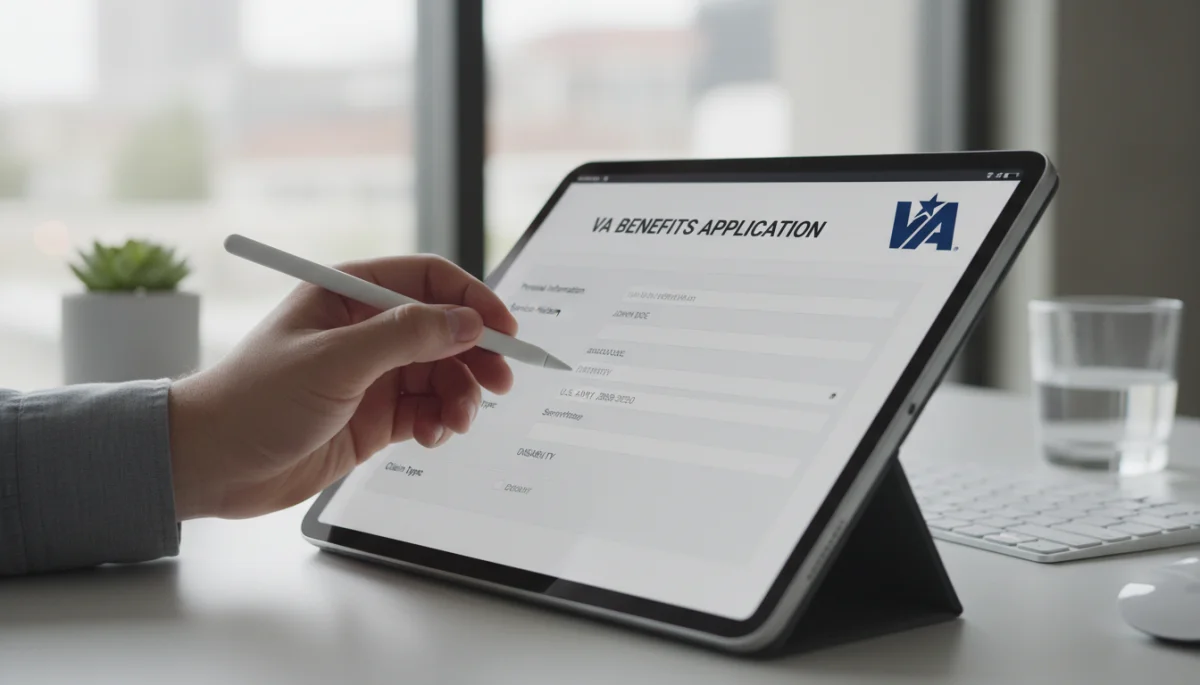
The VA.gov website is your primary hub for information, application forms, and status updates. It features user-friendly guides and FAQs to address common questions. Additionally, the VA call center and local VA offices provide direct support and personalized assistance. Veterans are also encouraged to connect with peer support groups, where experienced veterans can offer advice and share their insights on navigating the system.
By taking advantage of these resources and carefully following the application guidelines, veterans can significantly improve their chances of a smooth and successful application experience for their 2026 benefits. The VA is dedicated to ensuring all eligible veterans receive the support they have earned.
| Key Benefit Area | 2026 Update Overview |
|---|---|
| Disability Compensation | Streamlined digital claims, fairer evaluation criteria, enhanced support for complex conditions. |
| Education Programs | Expanded GI Bill eligibility, more non-traditional learning options, increased family support. |
| Healthcare Services | Expanded telehealth, intensified mental health focus, state-of-the-art facility upgrades. |
| Employment & Housing | Enhanced vocational rehab, increased housing assistance, proactive homelessness prevention. |
Frequently asked questions about Veterans’ Benefits 2026
The primary changes include a more streamlined digital claims process, fairer evaluation criteria that consider functional limitations, and enhanced training for claims processors to ensure consistency and accuracy in decisions. These updates aim to improve the overall experience for veterans.
The GI Bill will see expanded eligibility and a broader range of approved programs, including non-traditional learning options like coding bootcamps and entrepreneurship training. There will also be increased support for military spouses and dependents, offering more educational flexibility.
Yes, 2026 brings an intensified focus on mental health, with expanded telehealth capabilities, earlier intervention programs, and increased access to specialized therapies for conditions like PTSD. Suicide prevention remains a top priority with new community partnerships.
The VA is boosting its rental assistance programs, including HUD-VASH vouchers, and expanding outreach efforts to identify and support veterans at risk of homelessness. Rapid rehousing initiatives are also being enhanced to provide quick and stable housing solutions.
Veterans should gather all necessary documentation, understand specific eligibility criteria, and utilize VA-accredited representatives like Veteran Service Officers (VSOs). The VA.gov website and call centers also offer comprehensive resources and direct support to guide applicants.
Conclusion
The updates to Veterans’ Benefits 2026 represent a significant evolution in the support provided to our nation’s veterans and their families. From streamlined disability compensation and expanded education programs to enhanced healthcare, housing assistance, and employment services, these changes are designed to offer more comprehensive, accessible, and responsive support. Staying informed and actively engaging with the VA’s resources will be key for veterans to leverage these improved benefits to their fullest potential, ensuring a brighter and more secure future for those who have served.
