2026 Inflation Trends: Protect Your Purchasing Power
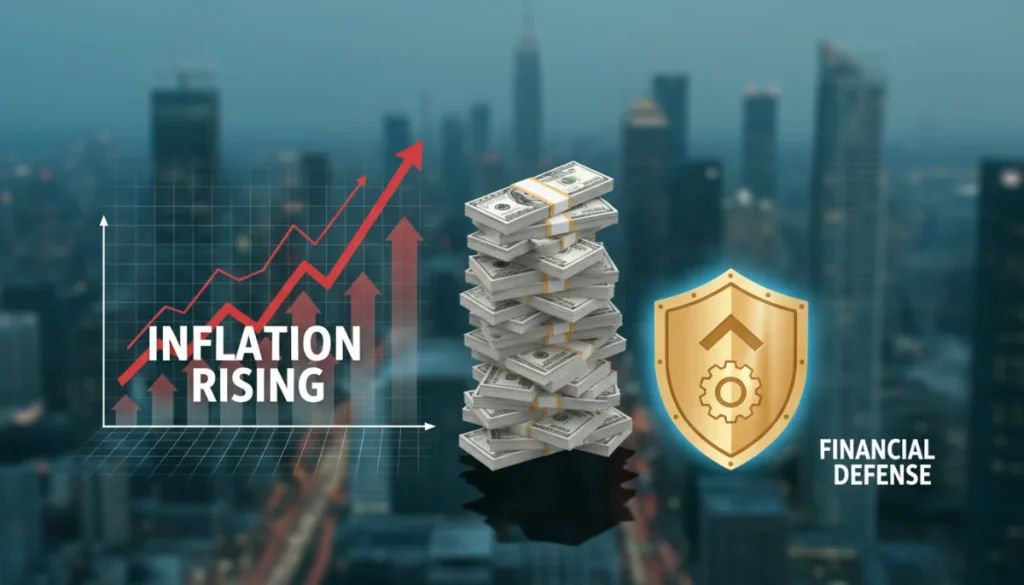
Understanding the latest 2026 inflation trends is crucial for safeguarding your financial stability and protecting your purchasing power in an evolving economic landscape.
Navigating the complexities of the modern economy requires foresight and strategic planning.
Understanding the Latest 2026 Inflation Trends: How to Protect Your Purchasing Power
is not just a theoretical exercise; it’s a practical necessity for every American household and investor.
As we look ahead, what economic forces will shape our financial realities, and how can we proactively build resilience?
Decoding the Economic Landscape of 2026
The year 2026 promises a dynamic economic environment, influenced by a confluence of global and domestic factors.
Understanding these underlying currents is the first step toward effective financial planning.
Inflation, in particular, remains a persistent concern, with its potential to erode savings and diminish living standards.
Several key indicators will shape the inflation outlook. Supply chain dynamics, which have been a major disruptor in recent years,
are expected to continue evolving, potentially leading to either stabilization or renewed pressures.
Geopolitical tensions also play a significant role, affecting commodity prices and trade flows.
Domestically, labor market conditions, consumer demand, and government fiscal policies will heavily influence price movements.
Global and Domestic Influences on Inflation
Globally, the recovery trajectories of major economies, coupled with energy market volatility, will transmit inflationary impulses
across borders. The interconnectedness of modern supply chains means that a disruption in one region can have ripple effects
worldwide, impacting everything from raw materials to finished goods.
- Energy Prices: Fluctuations in oil and natural gas prices directly impact transportation and production costs.
- Supply Chain Resilience: Investments in diversified supply chains aim to mitigate future shocks, but implementation takes time.
- Geopolitical Stability: Conflicts or trade disputes can lead to commodity hoarding and price spikes.
Domestically, the Federal Reserve’s monetary policy will be a critical determinant. Interest rate decisions, quantitative easing,
or tightening measures will directly influence borrowing costs, investment, and ultimately, consumer spending.
Wage growth, if it outpaces productivity gains, could also contribute to inflationary pressures.
In conclusion, the economic landscape of 2026 is a complex tapestry of global and domestic threads.
Careful observation of these factors will be essential for anticipating inflation trends and making informed financial decisions.
Identifying Key Inflationary Pressures for 2026
As we delve deeper into the specifics of 2026, certain sectors and factors stand out as potential drivers of inflation.
Recognizing these pressures allows individuals and businesses to prepare and adapt their financial strategies.
The housing market, a significant component of the consumer price index, is one area to watch closely.
While interest rate hikes have aimed to cool demand, persistent supply shortages in many regions could keep prices elevated.
Similarly, the cost of services, which are less susceptible to global supply chain improvements, may continue to rise due to wage pressures.
Sector-Specific Inflationary Hotspots
Healthcare costs, for instance, have historically risen faster than general inflation, a trend likely to persist.
Technological advancements, while beneficial, often come with increased costs of development and implementation,
which are then passed on to consumers. Education expenses also continue their upward trajectory.
- Housing Market: Limited inventory and strong demand in key metropolitan areas.
- Services Sector: Wage growth in labor-intensive industries like hospitality and personal care.
- Healthcare Costs: Rising pharmaceutical prices and medical service charges.
Another critical pressure point is government spending and debt. While fiscal stimulus can boost economic activity,
excessive spending without corresponding revenue can lead to an increase in the money supply, fueling inflation.
The national debt, and the cost of servicing it, also represent a long-term inflationary risk.
These specific inflationary pressures highlight the need for a targeted approach to financial protection.
Understanding where prices are likely to increase most significantly can guide investment and spending decisions.
Impact of Inflation on Your Everyday Finances
Inflation is not just an abstract economic concept; it has tangible effects on your daily life and long-term financial goals.
Its insidious erosion of purchasing power means that your money buys less over time, impacting everything from groceries to retirement savings.
Consider the cost of basic necessities. Food prices, energy bills, and transportation expenses are often among the first to react to inflationary trends.
For families on fixed incomes or those with limited discretionary spending, even modest price increases can strain budgets and force difficult choices.
Erosion of Purchasing Power
The most direct impact of inflation is the reduction in what your money can buy. A dollar today might be worth less tomorrow,
meaning your savings, if not growing at a rate that outpaces inflation, are effectively losing value.
- Groceries: Higher food prices mean families spend more for the same basket of goods.
- Utilities: Increased energy costs translate to higher electricity, gas, and heating bills.
- Transportation: Fuel prices and maintenance costs can make commuting more expensive.
Beyond immediate expenses, inflation also affects long-term financial planning.
Retirement savings, college funds, and large purchase goals like buying a home all become more challenging to achieve
if the cost of living outpaces investment returns. It necessitates a recalculation of financial targets and a re-evaluation of investment strategies.
In essence, inflation acts as a hidden tax on your wealth, making it imperative to adopt strategies that actively combat its effects
and preserve your financial well-being.
Strategies to Protect Your Purchasing Power
Given the persistent threat of inflation, proactive measures are essential to safeguard your financial health.
A multi-faceted approach, combining smart savings, strategic investments, and prudent budgeting, can help mitigate the impact.
One of the most fundamental strategies is to ensure your investments are inflation-resistant.
This often means looking beyond traditional savings accounts, which typically offer returns below the inflation rate.
Diversification across various asset classes is key.
Smart Investment Choices
Certain assets tend to perform better during inflationary periods. Real estate, for example, often appreciates in value
and can provide rental income that keeps pace with rising costs. Commodities like gold and other precious metals
are also traditionally seen as inflation hedges.
- Real Estate: Tangible asset that can appreciate and generate inflation-adjusted rental income.
- Inflation-Protected Securities (TIPS): Government bonds designed to adjust with inflation.
- Commodities: Raw materials like gold, silver, and oil often increase in value during inflationary times.
- Dividend Stocks: Companies with strong balance sheets and consistent dividend growth can provide a steady income stream.
Beyond investments, managing your debt effectively is crucial. High-interest debt can become an even greater burden during inflation,
as the cost of borrowing effectively increases. Prioritizing debt reduction, especially variable-rate loans, can free up cash flow.
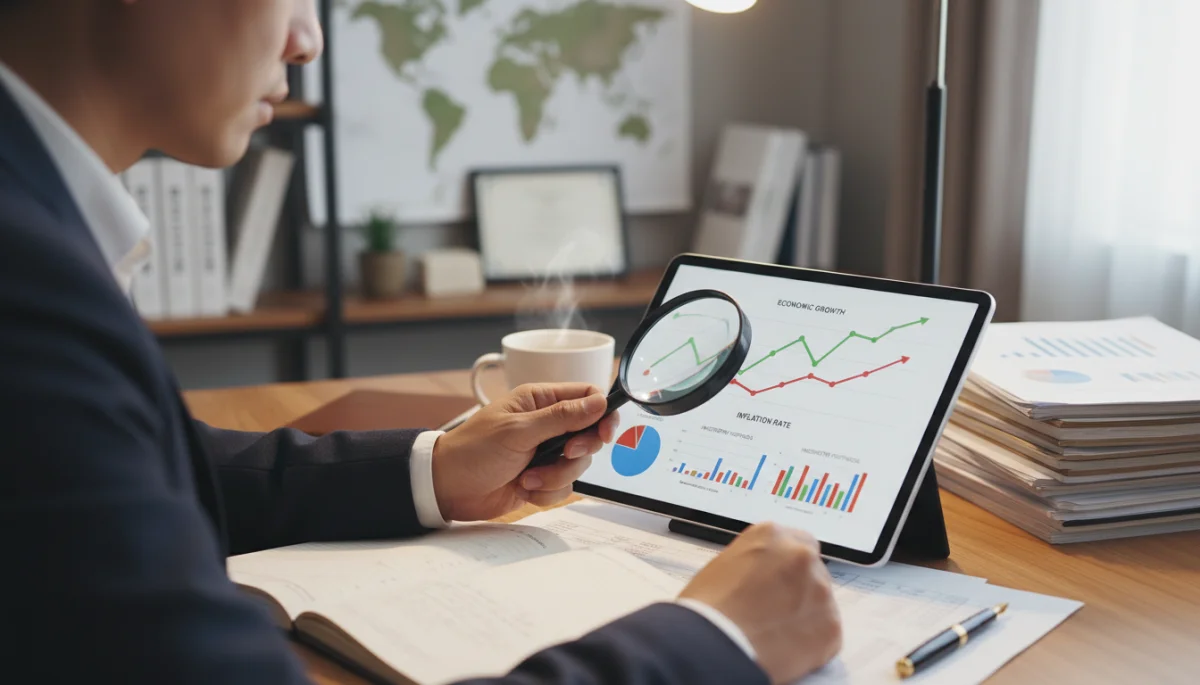
Ultimately, protecting your purchasing power involves a combination of informed decisions and consistent financial discipline,
tailored to your individual circumstances and risk tolerance.
Budgeting and Lifestyle Adjustments for Inflationary Times
While investment strategies focus on growing your wealth, effective budgeting and strategic lifestyle adjustments
are equally vital for managing your day-to-day expenses in an inflationary environment.
These practical steps can help you maintain financial stability and control.
The first step is a thorough review of your current budget. Identify areas where spending can be reduced or optimized.
This might involve cutting discretionary expenses, seeking out more affordable alternatives for essential goods,
or renegotiating services.
Optimizing Your Spending Habits
Small changes in daily habits can accumulate into significant savings over time.
For example, meal planning to reduce food waste, utilizing public transportation, or exploring energy-efficient home upgrades
can all contribute to a more resilient budget.
- Meal Planning: Reduces grocery waste and impulse purchases.
- Energy Efficiency: Upgrading appliances or improving home insulation lowers utility bills.
- Subscription Review: Canceling unused streaming services or gym memberships.
Another powerful adjustment is to consider increasing your income. This could involve negotiating a raise at work,
taking on a side hustle, or developing new skills that command higher wages.
In an inflationary environment, your income needs to keep pace with rising costs to maintain your standard of living.
By meticulously tracking expenses, making conscious spending choices, and exploring avenues for income growth,
you can effectively counter the squeeze of inflation on your household budget.
Long-Term Financial Planning in an Inflationary Environment
Protecting your purchasing power isn’t just about immediate responses; it requires a forward-looking perspective and
a robust long-term financial plan. This plan must account for the sustained impact of inflation on retirement,
education, and other significant life goals.
Revisit your retirement savings goals regularly. If inflation runs higher than anticipated, the amount you need to save
to maintain your desired lifestyle in retirement will increase. Adjust your contributions and investment allocations accordingly.
Adapting Retirement and Savings Goals
Consider consulting a financial advisor who specializes in inflation-hedging strategies.
They can help you assess your risk tolerance, diversify your portfolio, and make informed decisions about assets
that historically perform well during inflationary periods.
- Regular Portfolio Review: Annually assess investment performance against inflation rates.
- Diversification: Spread investments across various asset classes to minimize risk.
- Emergency Fund: Maintain a robust emergency fund, ideally in an interest-bearing account that aims to keep pace with inflation.
Education planning also needs to factor in inflation. The cost of college has consistently outpaced general inflation,
making it crucial to start saving early and explore options like 529 plans, which offer tax advantages and
can help mitigate future tuition increases.
Ultimately, long-term financial planning in an inflationary environment is about building a resilient financial framework
that can withstand economic shifts and ensure your future goals remain attainable.
Government and Central Bank Responses to 2026 Inflation
The actions of governmental bodies and central banks are pivotal in shaping the inflationary landscape.
Understanding their potential responses in 2026 is crucial for anticipating broader economic trends and their impact on personal finance.
The Federal Reserve, as the central bank of the United States, will likely continue to monitor inflation data closely.
Their primary tools for managing inflation include adjusting the federal funds rate and implementing quantitative tightening or easing.
Monetary and Fiscal Policy Outlook
Interest rate adjustments directly influence borrowing costs for consumers and businesses, affecting spending and investment.
Higher rates tend to cool demand and curb inflation, but they can also slow economic growth.
The Fed’s challenge is to strike a balance between price stability and maximum employment.
- Interest Rate Policy: Federal Reserve’s primary tool to influence economic activity.
- Quantitative Tightening: Reducing the money supply by selling off assets, aiming to curb inflation.
- Fiscal Stimulus: Government spending programs that can stimulate demand but also risk fueling inflation.
On the fiscal side, government policies related to taxation, spending on infrastructure, and social programs
will also play a significant role. Deficit spending, if not carefully managed, can contribute to inflationary pressures
by increasing the money supply and aggregate demand.
Citizens should remain informed about these policy decisions, as they can have far-reaching implications for
interest rates, investment returns, and the overall cost of living. Staying aware allows for better personal financial adaptation.
| Key Point | Brief Description |
|---|---|
| Economic Outlook | Global and domestic factors will influence 2026 inflation, including supply chains and labor markets. |
| Inflationary Pressures | Housing, services, and healthcare costs are expected to be key drivers of price increases. |
| Protection Strategies | Diversify investments, consider real estate and TIPS, and manage debt effectively. |
| Budgeting & Planning | Adjust budgets, optimize spending, and review long-term financial goals regularly. |
Frequently Asked Questions About 2026 Inflation
Key causes include evolving global supply chain dynamics, geopolitical events impacting commodity prices, strong consumer demand, government fiscal policies, and persistent wage growth in specific sectors like services.
Inflation erodes the purchasing power of your money, meaning your savings buy less over time. Investments that don’t yield returns above the inflation rate effectively lose value, necessitating strategic portfolio adjustments.
Consider real estate, commodities (like gold), Inflation-Protected Securities (TIPS), and dividend-growth stocks. Diversifying your portfolio across these assets can help protect your wealth from inflationary pressures.
Review and optimize spending by cutting discretionary expenses, seeking cheaper alternatives for essentials, and renegotiating services. Consider increasing income through raises or side hustles to match rising living costs.
The Federal Reserve will likely use interest rate adjustments and quantitative tightening/easing to influence borrowing costs and money supply. Their goal is to balance price stability with maintaining maximum employment in the economy.
Conclusion
Navigating the economic currents of 2026, particularly the evolving inflation trends, demands vigilance and informed action.
By understanding the underlying causes, identifying key pressures, and implementing strategic financial adjustments,
individuals can effectively protect their purchasing power. From diversifying investments to optimizing household budgets and
staying aware of governmental policies, a proactive approach is paramount.
The path to financial resilience in an inflationary environment lies in continuous learning and adaptive planning.
