Federal Budget 2026: Key Allocations & Public Service Impact
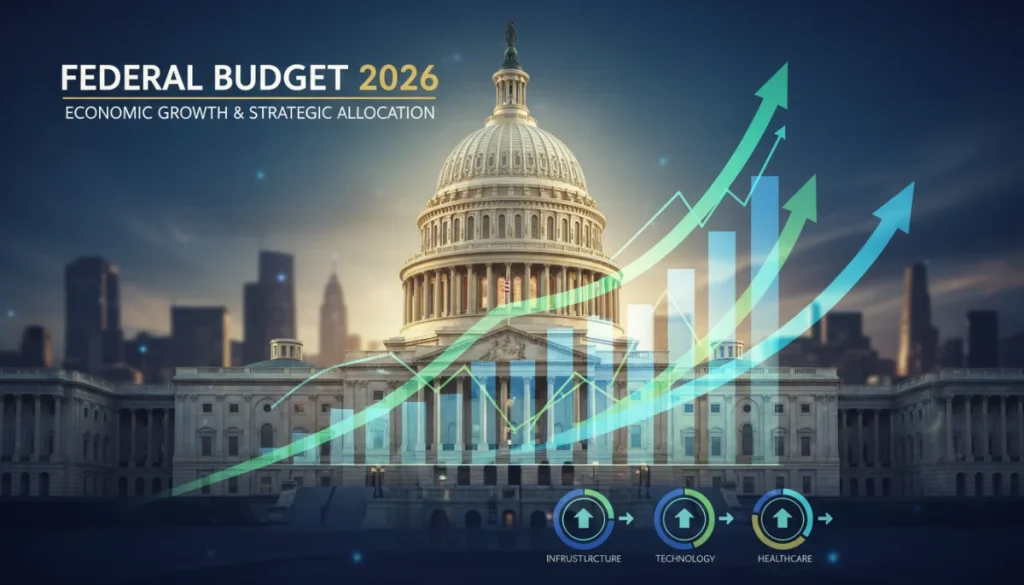
The Federal Budget 2026, with its recent updates, details critical allocations across various sectors, significantly shaping the future of public services like healthcare, education, and infrastructure nationwide.
The anticipation surrounding the annual federal budget is always high, but the Federal Budget 2026 Allocations carry particular weight as the nation navigates evolving economic landscapes and societal needs. This year’s budget proposes significant shifts in how public services are funded and delivered, directly influencing the lives of millions of Americans. Understanding these allocations is crucial for every citizen.
Understanding the Federal Budget 2026 Framework
The Federal Budget 2026 represents a comprehensive financial blueprint for the United States government, outlining proposed expenditures and revenue generation for the fiscal year. This intricate document is far more than just a collection of numbers; it reflects the administration’s priorities, policy objectives, and vision for the nation’s future. It’s a critical tool for governance, dictating how taxpayer dollars are invested in public goods and services, from national defense to social safety nets. The process of its formulation involves extensive analysis, debate, and negotiation among various government branches and stakeholders.
Each year, the budget process begins with the President’s budget request, which serves as a starting point for Congress. This request details proposed spending levels for federal agencies, outlines tax proposals, and projects economic forecasts. Following this, Congress undertakes its own legislative process, which often involves significant modifications and compromises. The resulting budget resolution sets overall spending limits, while subsequent appropriations bills allocate specific funds to government programs. This multi-stage process ensures a system of checks and balances, aiming to create a budget that addresses national needs while remaining fiscally responsible.
Key Components of the Budget
- Discretionary Spending: Funds allocated annually through appropriation bills, covering defense, education, transportation, and most government operations.
- Mandatory Spending: Spending required by existing laws, primarily for entitlement programs like Social Security, Medicare, and Medicaid.
- Revenue Projections: Estimates of government income, primarily from taxes, used to offset expenditures.
Ultimately, the Federal Budget 2026 is a dynamic document that evolves through negotiation and legislative action. Its framework is designed to provide a structured approach to managing the nation’s finances, ensuring that resources are directed towards areas deemed most critical for public welfare and national security. The final budget reflects a delicate balance of competing interests and priorities, aiming to foster economic stability and improve the quality of life for all Americans.
Healthcare Funding: A Shifting Landscape
Healthcare remains a cornerstone of public services, and the Federal Budget 2026 introduces several significant changes to its funding mechanisms and priorities. These shifts are designed to address rising costs, improve access to care, and enhance the overall health outcomes for the American populace. Understanding these budgetary adjustments is crucial for healthcare providers, patients, and policymakers alike, as they will undoubtedly reshape the delivery of medical services across the country.
One of the primary areas of focus is the allocation towards Medicare and Medicaid. The budget proposes measures aimed at strengthening the solvency of these vital programs, ensuring their long-term viability for an aging population and vulnerable communities. This includes potential adjustments to reimbursement rates, expanded coverage for certain services, and initiatives to combat fraud and waste. The goal is to maximize the efficiency of these programs while maintaining their commitment to providing essential healthcare access.
Investments in Public Health Initiatives
- Disease Prevention: Increased funding for public health agencies to combat infectious diseases, including pandemic preparedness and vaccine development.
- Mental Health Services: Enhanced allocations for mental health support, addressing the growing demand for accessible and affordable psychological care.
- Rural Healthcare Access: Targeted investments to improve healthcare infrastructure and staffing in underserved rural areas, bridging existing disparities.
Furthermore, the budget emphasizes investments in medical research and innovation, particularly in areas like cancer treatment, chronic disease management, and emerging health threats. By fostering scientific advancements, the government aims to develop new therapies and improve diagnostic tools, ultimately leading to better patient care. The implications of these healthcare funding shifts in the Federal Budget 2026 are profound, promising both challenges and opportunities for the nation’s healthcare system as it strives to meet the evolving demands of its citizens.
Education and Workforce Development Priorities
Education and workforce development receive considerable attention in the Federal Budget 2026, reflecting a national commitment to fostering a skilled labor force and ensuring equitable access to quality learning opportunities. The proposed allocations aim to strengthen educational institutions at all levels, from early childhood to post-secondary education, while also investing in programs that prepare individuals for the demands of a rapidly changing economy. These initiatives are vital for maintaining America’s competitiveness and promoting upward mobility for its citizens.
A significant portion of the budget is directed towards supporting K-12 education, with an emphasis on closing achievement gaps and providing resources for disadvantaged schools. This includes funding for teacher training, technology integration in classrooms, and specialized programs for students with diverse learning needs. The goal is to ensure that every child has access to a high-quality education, regardless of their socioeconomic background or geographic location within the United States.
Higher Education and Vocational Training
Beyond K-12, the Federal Budget 2026 also prioritizes higher education affordability and vocational training. Recognizing the escalating costs of college, the budget includes provisions for Pell Grants and other financial aid programs, making higher education more accessible to students from low-income families. Additionally, there is an increased focus on vocational and technical education, aiming to equip individuals with the practical skills needed for in-demand industries. These investments are critical for building a robust and adaptable workforce.
- Student Loan Reforms: Proposals for simplifying loan repayment options and exploring measures to reduce the overall burden of student debt.
- STEM Initiatives: Increased funding for Science, Technology, Engineering, and Mathematics (STEM) programs to cultivate future innovators.
- Apprenticeship Expansion: Support for expanding apprenticeship programs, offering hands-on training and career pathways in various sectors.
The long-term impact of these education and workforce development allocations is expected to be substantial. By investing in human capital, the Federal Budget 2026 aims to boost economic productivity, reduce unemployment, and create a more equitable society where individuals have the tools and opportunities to thrive. These strategic investments underscore the belief that a well-educated and skilled populace is the foundation of a prosperous nation.
Infrastructure Investment and Modernization
The Federal Budget 2026 places a strong emphasis on infrastructure investment, recognizing its pivotal role in economic growth, public safety, and national connectivity. Decades of underfunding have left much of the nation’s infrastructure in need of significant repair and modernization. The proposed allocations aim to address these deficiencies, launching ambitious projects that will improve transportation networks, update critical utilities, and enhance digital infrastructure across the United States.
A substantial portion of the budget is dedicated to repairing and upgrading existing roads, bridges, and public transit systems. These investments are not only about improving travel efficiency but also about ensuring the structural integrity and safety of these vital arteries. Modernizing transportation infrastructure is expected to reduce commutes, lower shipping costs, and stimulate economic activity by making it easier for goods and people to move throughout the country. This focus on traditional infrastructure forms the backbone of the nation’s physical economy.
Expanding Digital and Green Infrastructure
Beyond traditional infrastructure, the Federal Budget 2026 also earmarks significant funds for expanding digital and green infrastructure. Recognizing the importance of broadband access in the 21st century, there are allocations aimed at closing the digital divide, particularly in rural and underserved communities. This ensures that more Americans have access to high-speed internet, which is crucial for education, work, and healthcare. Furthermore, investments in green infrastructure projects, such as renewable energy initiatives and climate resilience programs, underscore a commitment to sustainability and environmental protection.
- Broadband Expansion: Funding to extend high-speed internet access to unserved and underserved areas nationwide.
- Clean Energy Projects: Investments in renewable energy sources, smart grids, and electric vehicle charging infrastructure.
- Water Infrastructure Upgrades: Allocations for improving water treatment facilities and replacing aging pipes, ensuring access to clean and safe drinking water.
The modernization of infrastructure, as outlined in the Federal Budget 2026, is poised to generate numerous jobs, stimulate local economies, and enhance the overall quality of life for Americans. These long-term investments are critical for building a resilient, efficient, and sustainable future for the nation, ensuring that its foundational systems can support continued growth and prosperity.
Social Safety Nets and Community Support
The Federal Budget 2026 reinforces the government’s commitment to supporting vulnerable populations through robust social safety nets and community support programs. These allocations are designed to provide a crucial lifeline for individuals and families facing economic hardship, ensuring access to essential resources such as food, housing, and income assistance. The budget aims to strengthen these programs, making them more effective and responsive to the evolving needs of American communities.
Key investments are directed towards programs like the Supplemental Nutrition Assistance Program (SNAP), which helps millions of low-income individuals and families afford nutritious food. The budget also proposes enhanced funding for housing assistance initiatives, including rental subsidies and programs aimed at reducing homelessness. These measures are vital for addressing food insecurity and ensuring stable housing, which are fundamental to individual well-being and community stability.
Targeted Support for Vulnerable Groups
Furthermore, the Federal Budget 2026 includes targeted support for specific vulnerable groups, such as seniors, individuals with disabilities, and children. Allocations for Social Security and Medicare are crucial for supporting retirees and those with long-term health needs. There are also increased funds for programs that provide childcare assistance, early childhood education, and support services for individuals with disabilities, promoting inclusion and equal opportunities. These initiatives reflect a holistic approach to social welfare, aiming to uplift all segments of society.
- Childcare Subsidies: Expanded funding to make quality childcare more affordable and accessible for working families.
- Disability Services: Increased support for programs that assist individuals with disabilities in employment, independent living, and community integration.
- Homelessness Prevention: Additional resources for programs that provide emergency shelter, transitional housing, and services to prevent and end homelessness.
The continued strengthening of social safety nets and community support programs in the Federal Budget 2026 is essential for fostering a more equitable and resilient society. By providing a foundation of basic needs and opportunities, these allocations help to alleviate poverty, reduce inequality, and ensure that all Americans have the chance to lead healthy and productive lives, contributing to the nation’s overall strength.
Economic Implications and Fiscal Responsibility
The economic implications of the Federal Budget 2026 are far-reaching, influencing everything from national debt and inflation to economic growth and employment rates. Every allocation and revenue projection within the budget carries significant fiscal responsibility, as decisions made today will impact the nation’s financial health for years to come. Understanding these economic ramifications is crucial for policymakers, businesses, and individual citizens alike, as they navigate the evolving economic landscape.
One of the central debates surrounding the budget often revolves around the national debt. The Federal Budget 2026 outlines strategies to manage and potentially reduce the national debt, which may include a combination of spending cuts, revenue enhancements, and economic growth initiatives. Maintaining fiscal discipline is paramount to ensuring the long-term stability of the U.S. economy and preserving confidence in its financial markets. The balance between necessary investments and debt sustainability is a constant challenge for budgetary planners.
Impact on Inflation and Economic Growth
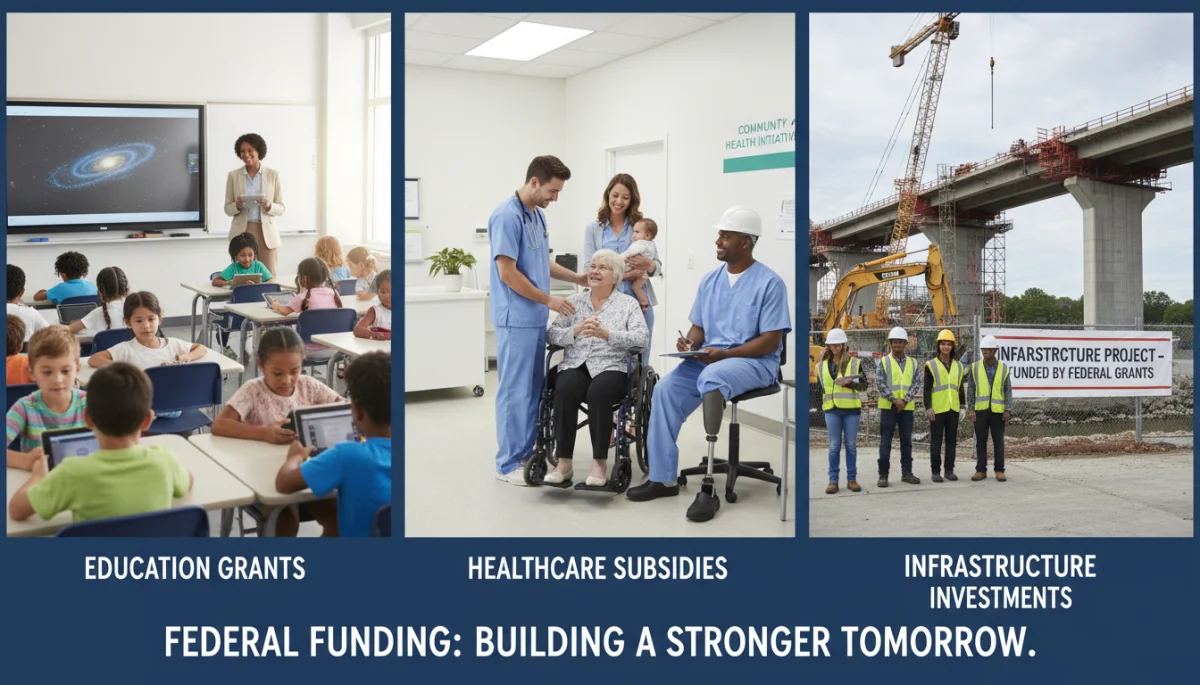
The budget’s impact on inflation and economic growth is another critical consideration. Government spending, particularly on infrastructure and public services, can stimulate demand and create jobs, thereby fostering economic growth. However, excessive spending without corresponding revenue can also contribute to inflationary pressures. The Federal Budget 2026 attempts to strike a delicate balance, aiming to stimulate growth without overheating the economy. Policies are designed to encourage private sector investment and innovation, which are key drivers of sustainable economic expansion.
- Job Creation: Investments in various sectors are projected to create new employment opportunities across the country.
- Market Stability: Fiscal policies aimed at reducing deficits and managing debt contribute to greater market confidence and stability.
- Long-Term Prosperity: Strategic allocations are designed to lay the groundwork for sustained economic health and improved living standards.
Ultimately, the Federal Budget 2026 seeks to ensure fiscal responsibility while making necessary investments in the nation’s future. The economic implications are complex, but the goal is clear: to foster a robust and stable economy that provides opportunities for all Americans. The success of these budgetary decisions will be measured by their ability to promote sustainable growth, manage national debt, and enhance the overall prosperity of the United States.
Recent Updates and Future Outlook for 2026
The Federal Budget 2026, while a comprehensive plan, is also subject to ongoing adjustments and recent updates that reflect changing economic conditions, unforeseen challenges, and evolving national priorities. These updates are crucial for understanding the dynamic nature of federal spending and how it adapts to real-world circumstances. Staying informed about these revisions provides a more accurate picture of the budget’s current trajectory and its potential future impact on public services.
Recent legislative actions and executive orders have introduced modifications to several key allocations. For instance, new data on inflation or economic growth might lead to revisions in revenue projections or adjustments in spending limits for certain departments. Similarly, emerging geopolitical events or domestic crises could necessitate reallocations of funds to address immediate national security or humanitarian concerns. These updates demonstrate the budget’s flexibility and its capacity to respond to an ever-changing environment.
Anticipated Adjustments and Policy Shifts
Looking ahead, the future outlook for the Federal Budget 2026 suggests continued scrutiny and potential adjustments, particularly as the nation approaches mid-term elections and new legislative sessions. There may be further policy shifts in areas such as climate change initiatives, technological innovation, and international relations, which could influence future spending priorities. The ongoing dialogue between the executive and legislative branches will be critical in shaping these evolving budgetary considerations.
- Climate Resilience: Potential for increased funding for climate adaptation and mitigation efforts in response to extreme weather events.
- Technological Advancement: Continued emphasis on R&D investments in artificial intelligence, cybersecurity, and advanced manufacturing.
- Global Engagements: Adjustments in foreign aid and defense spending based on evolving international partnerships and threats.
The Federal Budget 2026 is not a static document but a living framework that continuously adapts to the nation’s needs. These recent updates and the anticipated future outlook highlight the continuous process of fiscal planning and policy adjustment. The ultimate goal remains to create a budget that effectively serves the American people, promotes economic stability, and ensures the nation’s security and prosperity for years to come.
| Key Aspect | Brief Description |
|---|---|
| Healthcare Funding | Significant shifts aimed at improving access, reducing costs, and strengthening Medicare/Medicaid. |
| Education & Workforce | Investments in K-12, higher education affordability, and vocational training for a skilled workforce. |
| Infrastructure Modernization | Major allocations for roads, bridges, digital broadband, and green energy initiatives. |
| Economic Outlook | Focus on fiscal responsibility, managing national debt, and fostering sustainable economic growth. |
Frequently Asked Questions About the Federal Budget 2026
The primary goal of the Federal Budget 2026 is to allocate resources effectively to address national priorities, stimulate economic growth, enhance public services, and ensure fiscal responsibility for the United States, balancing current needs with future sustainability.
The budget impacts healthcare by adjusting funding for Medicare and Medicaid, investing in public health initiatives, and supporting medical research. These changes aim to improve access, affordability, and the overall quality of care across the nation’s healthcare system.
Key education priorities include enhanced funding for K-12 schools, increased financial aid for higher education, and expanded vocational training programs. The goal is to develop a skilled workforce and ensure equitable educational opportunities for all Americans.
Infrastructure will see significant investment in repairing roads, bridges, and public transit. Additionally, funds are allocated for expanding broadband internet access and developing green infrastructure projects, aiming for modernization and sustainability.
The economic implications include efforts to manage national debt, stimulate economic growth through strategic investments, and control inflation. The budget seeks to foster a stable and prosperous economy by balancing spending with fiscal responsibility.
Conclusion
The Federal Budget 2026 represents a critical juncture for the United States, outlining a meticulously crafted financial strategy designed to address the nation’s most pressing challenges and seize opportunities for future growth. The comprehensive allocations across healthcare, education, infrastructure, and social safety nets underscore a commitment to enhancing public services and improving the quality of life for all Americans. While the budget process is inherently complex and subject to continuous updates, its core objective remains to foster a resilient economy, promote social equity, and ensure national security. Understanding these key allocations and their anticipated impacts is essential for citizens to engage constructively with governmental policies and to grasp the trajectory of public service evolution in the coming years. The ongoing dialogue and adaptive nature of the budget ensure that it remains a responsive tool in navigating the dynamic landscape of national needs and global challenges.
