2026 COLA: What a 3.5% Social Security Increase Means for You

The projected 3.5% Cost-of-Living Adjustment (COLA) for Social Security in 2026 is designed to help beneficiaries maintain their purchasing power against inflation, directly influencing their monthly payments.
For millions of Americans relying on Social Security, understanding the annual Cost-of-Living Adjustment (COLA) is crucial. The projected 2026 COLA for Social Security, estimated at a significant 3.5% increase, holds substantial implications for your financial well-being and future planning. This adjustment aims to ensure that your benefits keep pace with the rising cost of living, preserving your purchasing power.
The Basics of COLA: Why It Matters
The Cost-of-Living Adjustment, or COLA, is a vital mechanism designed to protect the purchasing power of Social Security and Supplemental Security Income (SSI) benefits. Without COLA, the fixed income of retirees and other beneficiaries would steadily erode due to inflation, making it increasingly difficult to afford essential goods and services. Each year, the Social Security Administration (SSA) announces a new COLA, which takes effect in January.
This adjustment is not a random decision; it’s calculated based on a specific economic indicator. The primary goal is to ensure that beneficiaries do not fall behind economically as prices for everyday necessities rise. Understanding how COLA is calculated and its historical context provides valuable insight into its importance for millions of households across the United States. It’s a direct response to the economic realities faced by those on fixed incomes.
How COLA is Calculated
The COLA is determined by the increase in the Consumer Price Index for Urban Wage Earners and Clerical Workers (CPI-W) from the third quarter of the previous year to the third quarter of the current year. If there is no increase, there is no COLA. This specific index tracks changes in the prices of goods and services consumed by urban wage earners and clerical workers, providing a representative measure of inflation.
- CPI-W Data: The SSA uses the average CPI-W for July, August, and September to calculate the COLA.
- Base Period: This average is compared to the average CPI-W from the third quarter of the last year a COLA was payable.
- Percentage Increase: The percentage increase between these two periods becomes the COLA for the upcoming year.
The calculation methodology ensures that the adjustment reflects actual changes in consumer prices, offering a transparent and objective measure. This systematic approach aims to keep Social Security benefits relevant and effective in an evolving economic landscape. Consequently, the projected 3.5% for 2026 signals a period where inflation is expected to continue impacting household budgets, necessitating a robust adjustment to benefits.
In essence, COLA acts as a financial safeguard, ensuring that the retirement and disability benefits earned over a lifetime maintain their real value. It’s a critical component of financial planning for anyone relying on Social Security, directly influencing their budget and overall financial stability.
Projected 3.5% Increase: What It Means for Your Benefits
A projected 3.5% increase in the 2026 COLA for Social Security is a significant figure that will directly impact the monthly payments received by millions of Americans. This percentage translates into a tangible boost in income, allowing beneficiaries to better cope with rising living costs. While 3.5% might seem like a modest number, its cumulative effect over a year can be substantial for individuals and families relying on these benefits.
For example, if an individual currently receives $1,700 per month in Social Security benefits, a 3.5% increase would add approximately $59.50 to their monthly payment, bringing it to $1,759.50. This additional income can make a considerable difference in covering daily expenses, from groceries and utilities to healthcare costs, which are often major concerns for retirees.
Impact on Average Beneficiaries
The average Social Security benefit in recent years has been approximately $1,900 for retired workers. Applying a 3.5% COLA to this average would result in an increase of $66.50 per month, pushing the average benefit to $1,966.50. This adjustment helps to slightly alleviate the financial pressures that inflation places on fixed incomes.
- Increased Purchasing Power: The primary benefit is the improved ability to purchase goods and services that have become more expensive.
- Budgeting Relief: For many, the extra funds will offer much-needed flexibility in their monthly budgets.
- Healthcare Costs: While Medicare Part B premiums often increase, a higher COLA can help offset some of these rising healthcare expenses.
It’s important to remember that while the COLA aims to keep pace with inflation, individual spending patterns can vary. Some beneficiaries may find the increase fully covers their rising costs, while others might still feel a squeeze, especially if their personal cost of living increases at a higher rate than the CPI-W. Nevertheless, any positive adjustment is critical in maintaining financial stability.
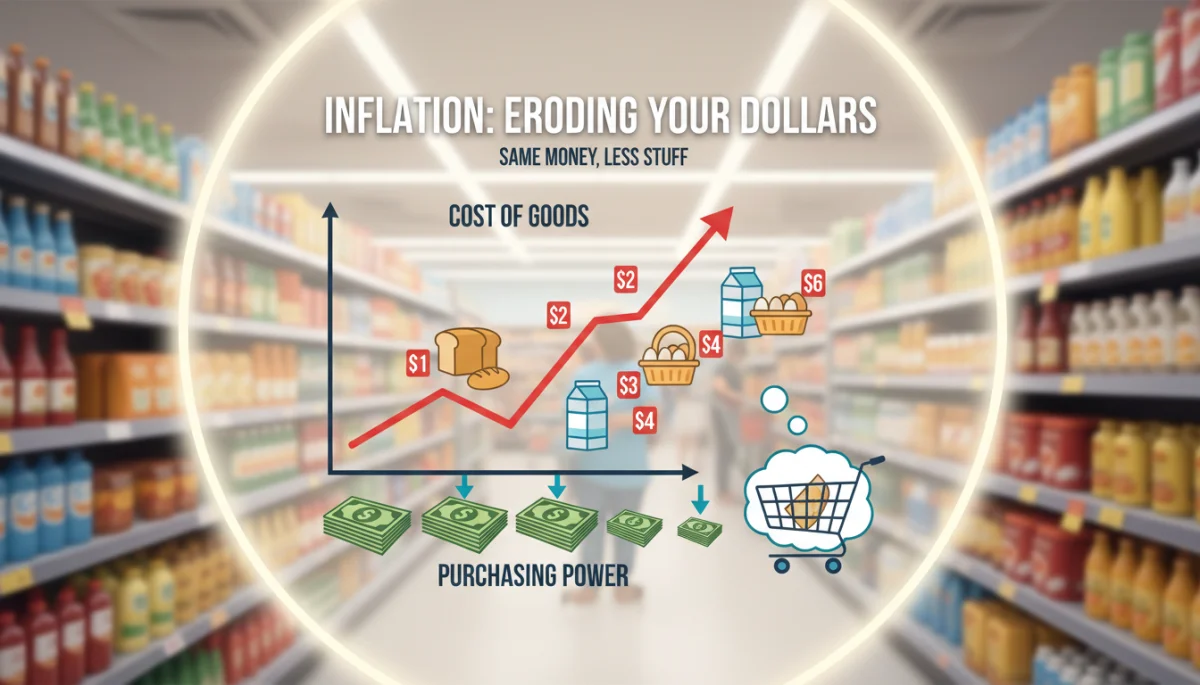
The 3.5% increase reflects ongoing inflationary pressures in the economy, signaling that the cost of living continues to rise. For beneficiaries, this adjustment is not merely an increase in numbers but a critical tool for preserving their way of life and ensuring their financial security in an unpredictable economic climate.
Historical Context of COLA Adjustments
To truly appreciate the significance of a projected 3.5% COLA for Social Security in 2026, it’s helpful to look at past adjustments. COLA has varied widely over the years, reflecting different economic conditions, particularly inflation rates. Understanding this history provides context for how the current projection fits into broader economic trends and what it might mean for future adjustments.
In some years, COLA has been quite high, such as in the late 1970s and early 1980s when inflation was rampant, leading to double-digit increases. Conversely, there have been years with very low or even zero COLA, typically during periods of economic recession or very low inflation. These fluctuations underscore the dynamic nature of the economy and its direct impact on Social Security benefits.
Notable COLA Years
The history of COLA reflects periods of both economic boom and bust. High inflation periods have historically led to larger COLA increases, aiming to protect beneficiaries from rapidly rising prices. For example, in 1980, the COLA was a staggering 14.3%, a direct response to the severe inflation of that era. More recently, in 2022, beneficiaries saw a 5.9% increase, followed by an 8.7% increase in 2023, reflecting a post-pandemic surge in inflation.
- High COLA Years: Often corresponded with periods of high national inflation, ensuring benefits kept up.
- Low/Zero COLA Years: Occurred during periods of economic stability or deflation, when price increases were minimal.
- Recent Trends: The past few years have seen higher COLAs, indicating a more inflationary environment than the previous decade.
These historical adjustments illustrate that COLA is a direct reflection of the economic environment. A 3.5% projection for 2026 falls within a range that suggests continued, albeit moderating, inflationary pressures. It’s a moderate increase compared to the very high adjustments of the early 2020s, but still a substantial one compared to the often sub-2% increases seen in the 2010s.
Analyzing past COLA figures helps beneficiaries understand that while the system is designed to protect them, the exact level of protection varies with the economic tides. The 2026 projection continues this trend, adapting to the current economic landscape to provide necessary financial support.
Potential Economic Implications of a 3.5% COLA
A 3.5% COLA for Social Security in 2026 carries several economic implications, not just for beneficiaries but for the broader economy. While the primary goal is to support those on fixed incomes, such an adjustment can also influence consumer spending, governmental budgets, and potentially even future inflationary trends. It’s a complex interplay of factors that ripple through various economic sectors.
For beneficiaries, the direct impact is an increase in disposable income, which can stimulate consumer spending. When millions of Americans have more money, they are likely to spend it on goods and services, contributing to economic activity. This can be particularly impactful in local economies where a significant portion of the population relies on Social Security.
Broader Economic Impacts
Beyond individual households, a substantial COLA can have wider effects. On one hand, it can represent a significant expenditure for the Social Security trust funds. While these funds are generally robust, sustained high COLAs, coupled with demographic shifts, can put pressure on their long-term solvency. This often leads to discussions about potential reforms or adjustments to the Social Security system.
- Consumer Spending: Increased benefits can lead to higher consumer demand, boosting retail and service sectors.
- Government Budget: A larger COLA means higher payouts from the Social Security trust fund, impacting federal spending projections.
- Inflationary Feedback: While COLA responds to inflation, some economists argue that large increases could, in turn, contribute to further inflationary pressures, creating a cyclical effect.
Furthermore, the COLA affects the national budget. Social Security is a major federal program, and an increase in benefits means a larger portion of the budget is allocated to these payments. This can influence decisions regarding other federal programs and fiscal policies. The 3.5% increase is a balancing act, providing necessary support without unduly straining federal finances or exacerbating inflationary cycles.
The economic implications extend to the labor market as well. While indirect, the stability provided by Social Security benefits allows many seniors to remain active consumers, contributing to the overall economic health. A 3.5% increase helps ensure this continued participation, reinforcing the broader economic ecosystem.
Strategies for Beneficiaries: Maximizing Your 2026 COLA
With a projected 3.5% COLA for Social Security in 2026, beneficiaries have an opportunity to strategically manage their increased income. This isn’t just about receiving more money; it’s about making that extra income work effectively for your financial well-being. Proactive planning can help maximize the benefit of this adjustment, whether it’s through budgeting, debt management, or investment considerations.
One of the first steps is to re-evaluate your monthly budget. Understand how the additional funds will fit into your existing financial plan. Identify areas where the increase can provide the most relief or create new opportunities for savings and stability. This might involve adjusting spending habits or reallocating funds to cover rising costs not fully offset by the COLA.
Smart Financial Planning
Beneficiaries should consider several key strategies to make the most of their increased Social Security payments. Prioritizing essential needs, managing debt, and exploring savings options are crucial components of a sound financial plan in light of the COLA.
- Review Your Budget: Adjust your spending plan to incorporate the new benefit amount, prioritizing essential expenses.
- Address Debt: Use a portion of the increase to pay down high-interest debt, such as credit card balances, to improve long-term financial health.
- Boost Savings: If possible, direct some of the extra income into an emergency fund or a savings account, building a financial cushion.
- Healthcare Costs: Factor in potential increases in Medicare premiums or other healthcare expenses, using the COLA to help cover these.
For those who have some flexibility, consulting with a financial advisor can provide personalized guidance. An advisor can help assess your specific financial situation and recommend tailored strategies, such as optimizing investment portfolios or exploring tax implications of increased income. Even a small increase can be significant when managed wisely over time.
Ultimately, the 3.5% COLA is more than just a number; it’s an opportunity to reinforce your financial security. By taking a thoughtful and strategic approach, beneficiaries can ensure that this adjustment contributes positively to their overall financial health and peace of mind.
Comparing the 2026 COLA to Inflation Trends
The effectiveness of the 2026 COLA for Social Security, projected at 3.5%, largely depends on how it compares to broader inflation trends. The goal of COLA is to offset the erosion of purchasing power due to rising prices. Therefore, understanding whether a 3.5% increase is sufficient to keep pace with the actual cost of living experienced by beneficiaries is critical for evaluating its impact.
While the CPI-W is the official metric used for COLA calculations, it doesn’t always perfectly reflect the spending patterns of retirees. For instance, healthcare costs and housing expenses often represent a larger portion of a senior’s budget compared to younger, working individuals. If these specific costs rise faster than the overall CPI-W, even a 3.5% COLA might not fully cover the increased financial burden.
Inflationary Pressures and Senior Spending
Recent years have seen fluctuating inflation, with significant spikes in certain sectors. While overall inflation may moderate, specific categories crucial for seniors could continue to see elevated price increases. This divergence can create a gap between the COLA adjustment and the actual needs of beneficiaries.
- Healthcare Inflation: Medical costs often outpace general inflation, posing a significant challenge for seniors.
- Housing Costs: Rent and property taxes can also rise independently of broader CPI-W trends, affecting fixed-income households.
- Energy Prices: Fluctuations in gas and utility costs have a direct and often immediate impact on daily budgets.
Experts often discuss alternative inflation indices, such as the Consumer Price Index for the Elderly (CPI-E), which attempts to better reflect the spending patterns of those aged 62 and older. While the CPI-E is not currently used for COLA calculations, its trends can provide insight into whether the CPI-W-based COLA adequately addresses the financial realities of seniors.
A 3.5% COLA suggests that the Social Security Administration anticipates continued inflationary pressures, but at a more controlled rate than in previous years. Beneficiaries should monitor their personal spending and compare it against the COLA to understand their individual financial standing. This comparison is essential for making informed decisions and adjusting personal budgets accordingly to maintain financial equilibrium.
Future Outlook and Long-Term COLA Projections
Looking beyond the immediate 2026 COLA for Social Security, understanding the long-term projections and factors influencing future adjustments is essential for comprehensive financial planning. The Social Security system is dynamic, influenced by economic growth, inflation rates, demographic shifts, and legislative decisions. These elements collectively shape the future of COLA and the solvency of the trust funds.
While specific COLA projections for years beyond 2026 are inherently uncertain, economists and actuaries regularly provide estimates based on current trends and models. These long-term outlooks help policymakers and the public anticipate potential challenges and plan for the sustainability of Social Security benefits. The trend of inflation, interest rates, and wage growth are all critical components in these projections.
Factors Influencing Future COLAs
Several key factors will continue to influence how COLA is calculated and its magnitude in the coming years. Economic stability, global events, and shifts in consumer behavior all play a role in the inflation rate, which directly dictates the COLA percentage.
- Economic Growth: A strong economy with moderate inflation tends to result in stable, predictable COLAs.
- Demographic Changes: An aging population and changes in birth rates can impact the worker-to-retiree ratio, potentially influencing the system’s long-term financial health and COLA discussions.
- Legislative Action: While COLA is formulaic, there’s always the possibility of legislative changes to the calculation method or the program itself, though this is less common.
The annual Trustees’ Report for Social Security provides comprehensive long-term projections, including estimates for future COLAs. These reports are valuable resources for anyone interested in the future of Social Security and how their benefits might evolve. They offer a detailed look at the financial health of the program and the assumptions underlying future adjustments.
For beneficiaries and future retirees, staying informed about these long-term trends is crucial. It allows for more robust financial planning, enabling individuals to make informed decisions about savings, investments, and retirement timing. The 2026 COLA is a snapshot in time, but its implications extend far into the future, requiring a forward-thinking approach to personal finance.
| Key Aspect | Description |
|---|---|
| 2026 COLA Projection | Estimated at 3.5%, aiming to adjust Social Security benefits for inflation. |
| Impact on Benefits | Directly increases monthly payments, helping beneficiaries maintain purchasing power. |
| COLA Calculation | Based on the Consumer Price Index for Urban Wage Earners and Clerical Workers (CPI-W). |
| Financial Planning | Beneficiaries should re-evaluate budgets and consider debt reduction or savings with increased funds. |
Frequently Asked Questions About the 2026 COLA
The primary purpose of the Social Security Cost-of-Living Adjustment (COLA) is to protect the purchasing power of Social Security and Supplemental Security Income (SSI) benefits. It ensures that benefits keep pace with inflation, preventing their value from eroding over time due to rising prices of goods and services.
The 2026 COLA, like all COLAs, is determined by the increase in the Consumer Price Index for Urban Wage Earners and Clerical Workers (CPI-W) from the third quarter of the previous year to the third quarter of the current year. The 3.5% is a projection based on current economic forecasts.
While a 3.5% COLA aims to offset general inflation, it might not fully cover all individual rising expenses. Certain costs, such as healthcare or specific housing expenses, can increase at a rate different from the overall CPI-W, so personal financial planning remains crucial.
The official 2026 COLA is typically announced by the Social Security Administration (SSA) in October of the preceding year, after the CPI-W data for July, August, and September becomes available. This allows beneficiaries time to prepare for the adjustment taking effect in January.
Yes, Medicare Part B premiums are often deducted directly from Social Security benefits. While the COLA increases benefits, Part B premiums can also rise annually. The “hold harmless” provision generally prevents premiums from reducing a beneficiary’s net payment if their COLA isn’t large enough to cover the premium increase.
Conclusion
The projected 3.5% Cost-of-Living Adjustment for Social Security in 2026 represents a critical adjustment designed to help millions of beneficiaries maintain their financial stability amidst ongoing inflationary pressures. This increase, derived from the CPI-W, underscores the Social Security Administration’s commitment to preserving the purchasing power of benefits. While the COLA serves as a vital safeguard, beneficiaries are encouraged to proactively review their personal budgets and financial strategies to maximize the impact of this adjustment. Understanding the mechanics of COLA, its historical context, and its broader economic implications empowers individuals to make informed decisions, ensuring their Social Security benefits continue to provide essential support in a changing economic landscape.
