Energy Prices 2026: Gasoline & Electricity Forecast
Forecasting energy prices for 2026 reveals a complex interplay of geopolitical events, supply-demand dynamics, and regulatory shifts, all poised to significantly impact both gasoline and electricity costs over the next 12 months.
As we navigate the mid-2020s, understanding the trajectory of energy prices 2026 for both gasoline and electricity is paramount for households and businesses across the United States. What factors will shape these costs, and how can consumers prepare for the financial implications over the coming 12 months? This article delves into expert analyses and market indicators to provide a comprehensive outlook.
Global crude oil dynamics and gasoline prices
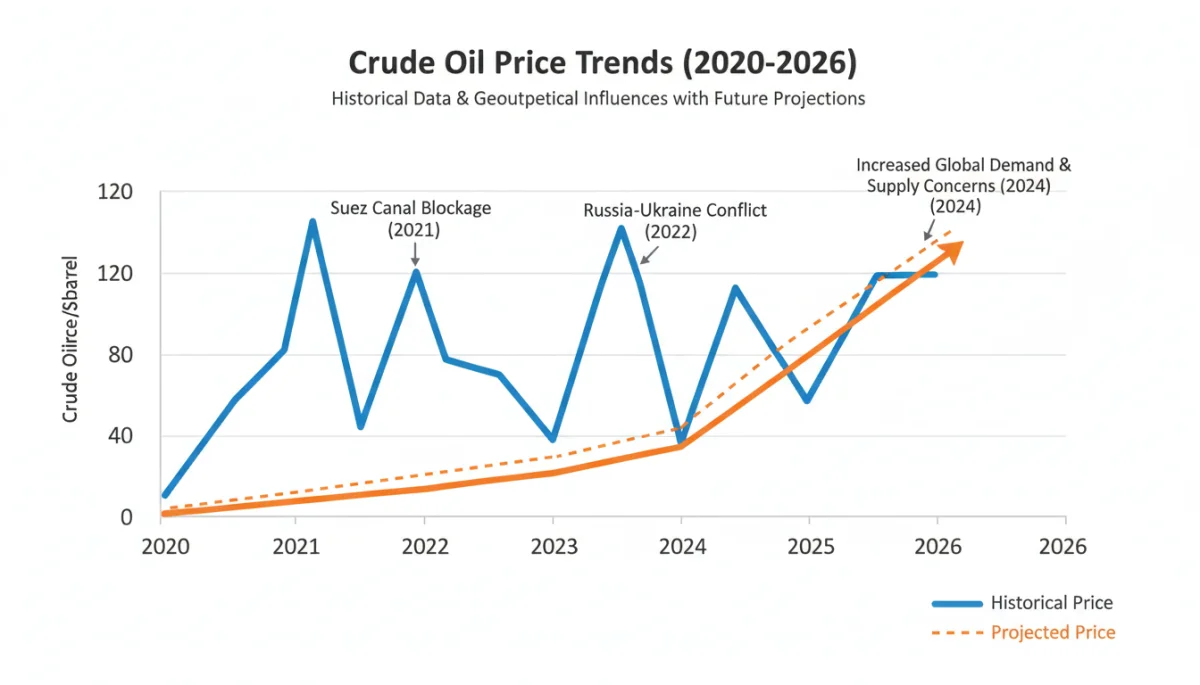
The price of gasoline at the pump is intrinsically linked to global crude oil markets. In 2026, several key factors are expected to influence crude oil supply and demand, thereby dictating what consumers pay. Geopolitical stability, or lack thereof, in major oil-producing regions will continue to be a primary driver.
The delicate balance between OPEC+ production quotas and global consumption rates will play a significant role. Any unexpected supply disruptions, such as conflicts or natural disasters affecting infrastructure, could lead to sharp price increases. Conversely, a sustained increase in production from non-OPEC countries or a significant global economic slowdown could exert downward pressure.
Geopolitical influences on supply
Ongoing tensions in the Middle East and Eastern Europe have a direct and immediate impact on oil supply routes and investor sentiment. Sanctions, trade disputes, and regional conflicts can constrict supply, leading to higher crude oil prices, which then translate to increased gasoline costs for consumers.
- Middle East Stability: Any escalation or de-escalation of conflicts in this region can rapidly shift oil market dynamics.
- Russia-Ukraine Conflict: Sanctions and disruptions related to this conflict continue to affect global energy flows.
- OPEC+ Decisions: The cartel’s periodic meetings to adjust production targets are closely watched by markets.
Demand projections and economic growth
Global economic health is a critical determinant of oil demand. A robust global economy, particularly in large consuming nations like the U.S., China, and India, typically translates to higher demand for transportation fuels. However, a recession or significant economic downturn could temper this demand, potentially leading to lower prices.
The increasing adoption of electric vehicles (EVs) is also a long-term factor that will gradually impact gasoline demand, though its immediate effect on 2026 prices might be marginal compared to other macroeconomic forces. For the next 12 months, traditional internal combustion engine vehicles will still dominate the market, making economic growth a more potent short-term influence.
In conclusion, gasoline prices in 2026 will largely hinge on the unpredictable geopolitical landscape and the pace of global economic recovery. Consumers should anticipate continued volatility, with potential for both spikes and dips depending on international events and supply management decisions.
Electricity costs: generation, infrastructure, and policy
Electricity prices in 2026 are shaped by a different set of complex factors, including the cost of fuel for power generation, investments in transmission infrastructure, and evolving regulatory policies. Unlike gasoline, which is a globally traded commodity, electricity markets are more localized, influenced heavily by regional energy mixes and state-level decisions.
The transition towards renewable energy sources, while beneficial for long-term sustainability, often involves significant upfront investment costs that can initially impact consumer bills. Furthermore, the resilience and modernization of the power grid are increasingly important, especially in the face of extreme weather events, and these upgrades come with a price tag.
Fuel sources and generation costs
The primary fuel sources for electricity generation – natural gas, coal, nuclear, and renewables – each have their own cost structures and market volatilities. Natural gas, a dominant fuel for power generation in the U.S., is subject to its own supply-demand dynamics, storage levels, and pipeline infrastructure. Fluctuations in natural gas prices can directly translate to changes in electricity rates.
- Natural Gas Prices: Seasonal demand, storage levels, and export capabilities significantly influence costs.
- Renewable Energy Integration: While operational costs are low, the capital expenditure for new solar and wind farms can affect rates.
- Coal and Nuclear: These baseload sources offer stability but face environmental regulations and maintenance challenges.
Infrastructure upgrades and grid modernization
Aging electricity infrastructure in many parts of the U.S. necessitates substantial investment to enhance reliability, integrate distributed energy resources, and withstand the impacts of climate change. These investments, while crucial for preventing outages and improving efficiency, are typically recovered through customer rates over time. Smart grid technologies and battery storage solutions are also becoming more prevalent, adding to the investment burden but promising future efficiencies.
Cybersecurity threats to the grid also require continuous investment, further contributing to the overall cost of electricity. Utilities are under increasing pressure to protect critical infrastructure, and these security measures are passed on to consumers.
In summary, electricity prices in 2026 will be a function of fuel costs, the pace and cost of transitioning to cleaner energy, and the necessary investments in grid modernization and resilience. Regional differences in energy mix and regulatory environments will lead to varying price trends across the country.
Inflation and its broader economic impact
Inflation remains a significant macroeconomic factor influencing overall energy costs. When the cost of goods and services rises across the board, the expenses associated with producing, transporting, and distributing energy also increase. This includes labor costs, raw materials for infrastructure, and maintenance. The Federal Reserve’s monetary policy, aimed at controlling inflation, will therefore indirectly impact energy prices 2026.
Persistent inflation can erode purchasing power, making higher energy bills even more burdensome for consumers. Businesses also face increased operational costs, which can be passed on to consumers through higher prices for goods and services, creating a cyclical effect. Understanding the broader inflationary environment is key to anticipating overall financial impact.
Monetary policy and interest rates
Central bank decisions on interest rates directly influence the cost of capital for energy projects. Higher interest rates can make it more expensive for utilities to finance new power plants, transmission lines, or renewable energy installations. These increased financing costs can then be reflected in consumer electricity rates. Similarly, oil and gas companies face higher borrowing costs for exploration and production, potentially impacting supply and prices.
Conversely, lower interest rates could ease the financial burden on energy companies, potentially leading to more stable or even decreasing energy costs, assuming other market factors remain constant. The interplay between inflation, interest rates, and energy sector investment is a complex dance that impacts future pricing.
Consumer purchasing power and affordability
The real impact of energy price fluctuations is felt most acutely in household budgets. When energy costs rise faster than wages, families experience a reduction in discretionary income. This can lead to difficult choices, especially for low-income households, who spend a larger proportion of their income on essential utilities. Government assistance programs and energy efficiency initiatives become even more critical in such scenarios.
For businesses, rising energy costs can squeeze profit margins, potentially leading to price increases for their products or services, or even workforce reductions. This highlights the pervasive nature of energy prices on the broader economy and the living standards of citizens.
In conclusion, the inflationary environment and the Federal Reserve’s response will cast a long shadow over energy prices in 2026. Consumers and businesses alike must factor these broader economic pressures into their financial planning to mitigate potential impacts.
Renewable energy transition and grid stability
The ongoing transition to renewable energy sources is a cornerstone of global energy policy, particularly in the United States. While promising long-term benefits such as reduced carbon emissions and decreased reliance on volatile fossil fuels, this transition presents both opportunities and challenges for energy prices 2026. Integrating intermittent renewable sources like solar and wind into the existing grid requires significant investment in infrastructure and storage solutions.
The intermittency of renewables necessitates robust backup power generation, often from natural gas, or advanced battery storage systems to maintain grid stability. The cost of these supplementary systems and grid upgrades can influence electricity rates in the short to medium term. However, as renewable technologies become more efficient and cheaper to deploy, they are expected to exert downward pressure on overall energy costs in the long run.
Investment in green technologies
Government incentives, tax credits, and private sector investments are accelerating the deployment of solar panels, wind turbines, and energy storage solutions. These investments are crucial for building a sustainable energy future, but their initial costs can be substantial. Utilities often pass these costs, amortized over many years, onto consumers through their electricity bills.
- Solar and Wind Deployment: Rapid expansion of these technologies continues, driven by policy and cost reductions.
- Battery Storage: Essential for grid stability with renewables, but still a significant investment.
- Transmission Upgrades: Necessary to carry renewable energy from remote generation sites to population centers.
Impact on traditional energy sources
As renewables gain market share, traditional fossil fuel power plants may face reduced utilization, potentially leading to retirements. While this is a desired outcome for decarbonization, it can also create challenges for grid operators in ensuring sufficient baseload power during times of high demand or low renewable output. Balancing this transition without compromising reliability or significantly increasing costs is a complex task for regulators and utilities.
The regulatory environment, including carbon pricing mechanisms and renewable portfolio standards, will continue to shape the financial viability of both conventional and renewable energy projects. These policies ultimately influence the cost structure of electricity generation.
In conclusion, the renewable energy transition will be a defining factor for electricity prices in 2026. While offering long-term environmental and economic benefits, the initial investment and grid integration challenges may lead to some upward pressure on rates, balanced by the decreasing operational costs of mature renewable technologies.
Consumer strategies for mitigating rising costs
Given the anticipated volatility and potential increases in energy prices 2026, consumers can adopt several strategies to mitigate the financial impact. Proactive measures can help households and businesses manage their energy consumption more efficiently and reduce their overall utility bills. These strategies ranged from simple behavioral changes to significant investments in energy-efficient technologies.
Understanding personal consumption patterns and identifying areas for improvement are the first steps. Many utility providers offer tools and resources to help customers track their energy use and provide personalized recommendations for savings. Taking advantage of these resources can yield tangible benefits.
Energy efficiency upgrades
Investing in energy-efficient appliances, improved insulation, and smart thermostats can significantly reduce both electricity and heating/cooling costs. While some of these upgrades require an initial outlay, they often provide long-term savings that outweigh the upfront expense. Government rebates and utility programs can help offset these costs, making such investments more accessible.
Consider a home energy audit to identify specific areas where energy is being wasted. Simple fixes like sealing drafts around windows and doors can make a noticeable difference. For businesses, optimizing HVAC systems, upgrading lighting to LED, and implementing energy management systems can lead to substantial savings.
Behavioral changes and smart consumption
Many energy savings can be achieved through simple changes in daily habits. Turning off lights when leaving a room, unplugging electronics when not in use (phantom load), and adjusting thermostats by a few degrees can collectively reduce energy consumption. During peak demand hours, when electricity is often most expensive, shifting energy-intensive activities can also lead to savings, especially for consumers on time-of-use tariffs.
For gasoline, consolidating errands, carpooling, and maintaining proper tire pressure can improve fuel efficiency. Using public transportation or active transport methods like cycling for shorter distances also reduces reliance on gasoline and lowers costs.
In conclusion, consumers have a range of strategies at their disposal to manage the financial impact of energy prices in 2026. From investing in energy-efficient technologies to adopting smarter consumption habits, proactive measures can lead to significant savings and greater control over utility expenses.
Regulatory landscape and policy interventions
The regulatory landscape plays a crucial role in shaping energy prices 2026, particularly for electricity. State and federal policies, utility commission decisions, and environmental regulations all influence how energy is generated, transmitted, and priced. These interventions aim to balance affordability, reliability, and environmental sustainability, but their impacts can be complex and sometimes lead to unintended consequences.
Government policies, such as carbon pricing, renewable energy mandates, and incentives for energy efficiency, directly affect the cost structure of energy providers. Understanding the evolving regulatory environment is essential for predicting future price trends and identifying potential areas of relief or increased cost for consumers.
State-level energy policies
Each state in the U.S. has its own energy policies and regulatory bodies that oversee electricity markets. Some states have aggressive renewable energy targets, which can drive investment in green infrastructure but also impact rates. Others prioritize affordability or grid resilience. These diverse approaches mean that electricity price trends can vary significantly from one state to another.
Public utility commissions (PUCs) or similar regulatory bodies approve rate cases filed by utilities, determining the charges consumers pay. These proceedings involve extensive review of utility costs, investments, and proposed returns. Consumer advocacy groups often participate in these processes to represent the interests of ratepayers.
Federal regulations and subsidies
At the federal level, policies from agencies like the Environmental Protection Agency (EPA) impact emissions standards for power plants, while tax credits and subsidies from the Department of Energy (DOE) support renewable energy development and energy efficiency. These federal interventions can influence the national energy mix and, by extension, the wholesale cost of electricity and the retail rates consumers pay.
For gasoline, federal fuel efficiency standards for vehicles and taxes on motor fuels also contribute to the final price at the pump. Changes in these regulations or tax structures can have a direct impact on consumer costs. The strategic petroleum reserve (SPR) also serves as a federal tool to influence oil prices during supply disruptions.
In conclusion, the regulatory landscape and various policy interventions will continue to be a significant determinant of energy prices in 2026. Both state and federal actions, aimed at balancing diverse objectives, will shape the supply, demand, and ultimate cost of energy for consumers and businesses.
| Key Point | Brief Description |
|---|---|
| Gasoline Volatility | Expect continued fluctuations driven by global crude oil markets and geopolitical events. |
| Electricity Cost Drivers | Influenced by fuel prices for generation, infrastructure investments, and renewable transition costs. |
| Inflationary Pressures | Broader economic inflation will impact all aspects of energy production and distribution costs. |
| Consumer Mitigation | Energy efficiency upgrades and behavioral changes are key to managing rising expenses. |
Frequently asked questions about 2026 energy prices
Gasoline prices are expected to remain volatile, influenced by global crude oil supply, demand, and geopolitical stability. While significant increases are possible due to unforeseen events, a steady upward trend is more likely than dramatic spikes, barring major disruptions.
Electricity prices are primarily shaped by the cost of fuel for power generation (like natural gas), investments in grid infrastructure, and the expenses associated with integrating renewable energy sources. Regional energy policies and weather patterns also play a crucial role.
To reduce energy bills, consider investing in energy-efficient appliances, improving home insulation, and using smart thermostats. Simple behavioral changes like unplugging unused electronics and adjusting thermostat settings can also lead to noticeable savings.
In the long term, renewable energy is expected to lower electricity costs due to decreasing operational expenses. However, initial investments in new renewable infrastructure and grid upgrades to handle intermittent sources may cause some short to medium-term upward pressure on rates.
Inflation increases the cost of almost everything, including labor, raw materials, and transportation for the energy sector. This translates to higher overall operational costs for energy companies, which are often passed on to consumers through increased gasoline and electricity prices.
Conclusion
The outlook for energy prices 2026 suggests a dynamic and potentially challenging environment for consumers and businesses alike. Gasoline prices will remain sensitive to global crude oil markets and geopolitical events, while electricity costs will be influenced by fuel prices, infrastructure investments, and the accelerating transition to renewable energy. Broader economic factors like inflation will amplify these pressures, necessitating careful financial planning. By understanding these underlying drivers and adopting proactive mitigation strategies, individuals and organizations can better navigate the evolving energy landscape and manage their financial impact over the next 12 months.
