2026 Drama Tropes: 4 Classic Comebacks Explored
Classic drama tropes are experiencing a powerful resurgence in 2026, offering audiences familiar yet innovatively refreshed narratives that resonate deeply with contemporary themes and emotional complexities.
The landscape of storytelling is ever-evolving, yet some narrative elements remain eternally compelling. In 2026, we are witnessing a fascinating phenomenon: the resurgence of classic drama tropes. These are not merely recycled plots but rather deeply ingrained archetypes and narrative devices that creators are cleverly reinterpreting for modern audiences, proving that timeless human experiences never go out of style. This trend is reshaping how we consume and appreciate dramatic content, bringing a fresh, yet familiar, depth to our screens.
the enduring appeal of forbidden love
Forbidden love, a narrative cornerstone for centuries, continues to captivate hearts and minds in 2026. This trope thrives on inherent conflict, drawing its power from external societal pressures or internal moral dilemmas that characters must navigate. The forbidden aspect heightens emotional stakes, making every glance, every touch, and every whispered word fraught with tension and consequence.
Modern interpretations of forbidden love are moving beyond simple class divides or familial feuds. Contemporary narratives are exploring more nuanced barriers, such as ideological differences, professional ethics, or even digital divides, reflecting the complexities of our interconnected yet often polarized world. This evolution keeps the trope fresh and relevant.
new dimensions of forbidden romance
- Societal Stigma: Stories now delve into relationships challenged by deeply ingrained prejudices, from cultural differences to neurodivergent partnerships, forcing characters and audiences to confront biases.
- Ethical Boundaries: Love blossoming between individuals on opposing sides of a moral or political conflict, where their personal affections directly contradict their public duties or beliefs.
- Technological Barriers: Relationships forming across vast digital divides or within virtual realities, where the ‘forbidden’ element stems from the nature of their connection itself or the rules governing their digital existence.
The beauty of forbidden love lies in its ability to explore profound human emotions: sacrifice, longing, defiance, and despair. When characters choose to pursue a love deemed impossible, they often undergo significant personal transformation, challenging societal norms and redefining their own identities. This journey of self-discovery, fueled by an illicit passion, remains a powerful draw.
Ultimately, the enduring appeal of forbidden love lies in its capacity to mirror our own desires for connection against all odds. It speaks to the universal human experience of striving for something deeply desired, even when the world dictates otherwise. This trope, in its various modern guises, offers a compelling exploration of love’s boundaries and its boundless power.
the rise of the complex anti-hero
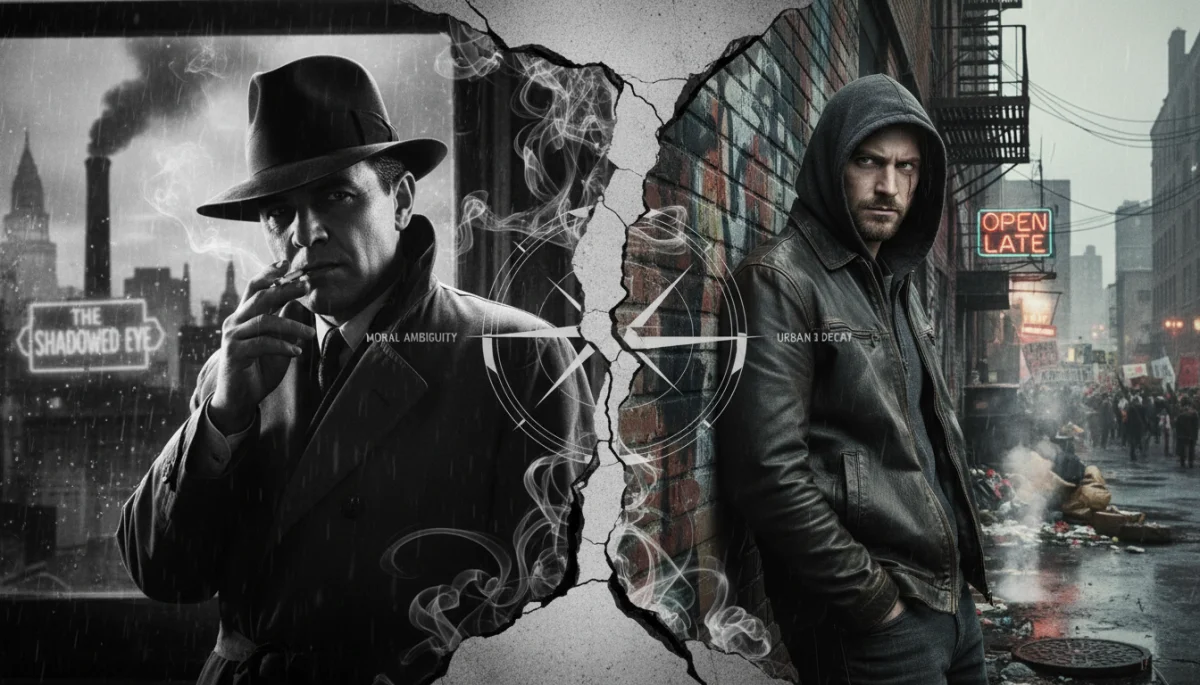
The anti-hero, a character who lacks conventional heroic attributes but still earns audience sympathy or admiration, is experiencing a significant renaissance in 2026. Gone are the days of purely virtuous protagonists; today’s audiences crave characters who embody moral ambiguity, internal conflict, and a deeply flawed humanity. This shift reflects a broader societal interest in exploring the grey areas of morality rather than clear-cut good versus evil.
Modern anti-heroes are often driven by relatable motivations, such as a desire for justice, protection of loved ones, or simply survival, even if their methods are questionable. Their struggles resonate because they mirror the compromises and difficult choices many face in real life. This complexity makes them more believable and, paradoxically, more heroic in their own unique way.
deconstructing the anti-hero’s journey
- Moral Ambiguity: These characters operate in a world where right and wrong are rarely absolute, forcing them to make difficult decisions that blur ethical lines.
- Internal Struggle: A significant part of their appeal comes from their constant battle with their own demons, desires, and conscience, making their journey deeply personal.
- Unconventional Justice: Often, anti-heroes deliver a form of justice that society cannot, or will not, provide, satisfying a primal desire for retribution or order, however brutal.
The allure of the anti-hero also stems from their capacity for growth and redemption. While they may start on a dark path, their journey often involves moments of self-reflection and attempts at atonement, offering a glimmer of hope amidst their morally compromised actions. This arc provides a rich narrative tapestry for writers and a compelling emotional experience for viewers.
In essence, the complex anti-hero allows us to explore the darker facets of human nature without endorsing them. They serve as a mirror, reflecting our own imperfections and the struggles we face in remaining true to ourselves in a complicated world. Their return signifies a maturation in storytelling, embracing characters who are more reflective of the human condition in all its messy glory.
the return of the rags-to-riches narrative
The rags-to-riches story, a timeless tale of aspiration and perseverance, is experiencing a powerful resurgence in 2026. This narrative trope, celebrating an individual’s journey from poverty or obscurity to wealth, power, or widespread recognition, taps into universal dreams of success and self-improvement. It offers an inspiring blueprint for overcoming adversity through sheer will and determination.
What makes this trope particularly resonant in our current era is its adaptability. Modern interpretations often highlight not just financial success, but also achievements in fields like entrepreneurship, technology, or social activism. The ‘riches’ can now symbolize influence, innovation, or the ability to effect meaningful change, broadening the scope beyond mere material gain.
contemporary twists on an old classic
- Innovation as Currency: Characters rising from humble beginnings by inventing groundbreaking technologies or creating disruptive businesses that challenge established norms.
- Social Impact: Individuals leveraging their experiences with hardship to champion social causes, becoming influential figures who inspire change and uplift communities.
- Overcoming Systemic Barriers: Stories that not only focus on individual effort but also acknowledge and depict the systemic challenges faced by marginalized communities, making the protagonist’s success even more impactful.
These narratives often emphasize the importance of resilience, strategic thinking, and the ability to seize opportunities. They provide a powerful message that circumstances do not define destiny, and that with enough grit and vision, anyone can transform their life. This hopeful outlook is especially appealing in times of economic uncertainty or social flux, offering a sense of possibility.
Ultimately, the rags-to-riches trope continues its comeback because it speaks to the fundamental human desire for progress and self-actualization. It reminds us that every individual has the potential for greatness, regardless of their starting point. These stories serve as powerful motivators, encouraging audiences to believe in their own capacity for extraordinary achievement and to pursue their ambitions relentlessly.
the fatal flaw and tragic hero revisited
The tragic hero, a character of noble standing or great potential brought down by a single, often admirable, flaw, is a trope deeply rooted in classical literature. In 2026, this powerful narrative device is being revisited with new layers of psychological depth and societal commentary. The concept of the ‘fatal flaw,’ or hamartia, is being explored not just as a personal failing but also as a reflection of broader systemic issues or societal pressures.
Modern tragic heroes often possess qualities that are initially perceived as strengths—unwavering ambition, fierce loyalty, or an unyielding sense of justice. However, these very traits, when taken to an extreme or misdirected, become the catalysts for their downfall. This nuanced portrayal allows for a more complex understanding of human nature and the fine line between virtue and vice.
modern interpretations of hamartia
- Overzealous Idealism: A hero whose unwavering commitment to an ideal blinds them to practical realities or causes them to alienate allies, leading to their ultimate failure.
- Unchecked Ambition: The pursuit of power or success at any cost, where the hero sacrifices their morality or relationships, only to find their victory hollow or destructive.
- Blind Loyalty: Devotion to an unworthy cause or person that leads the hero into perilous situations, forcing them to confront the painful truth of their misplaced allegiance.
The tragic hero’s journey is often one of profound self-discovery, albeit one that culminates in ruin or loss. Their fall from grace serves as a cautionary tale, highlighting the dangers of hubris, the consequences of moral compromise, or the inescapable nature of fate. This cathartic experience for the audience is what gives the trope its lasting power, prompting reflection on our own vulnerabilities and choices.
By re-examining the fatal flaw and the tragic hero, contemporary drama invites us to consider the complexities of human morality and the forces that shape our destinies. It reminds us that even the most admirable individuals are susceptible to their own imperfections, and that true wisdom often comes from acknowledging these limitations. This trope continues to resonate because it speaks to the universal struggle for self-awareness and the painful lessons learned on the path of life.
the redemption arc’s renewed prominence
The redemption arc, a narrative journey where a morally compromised character undergoes a profound transformation towards goodness or atonement, is seeing a significant resurgence in 2026. This trope appeals to the fundamental human belief in second chances and the capacity for change. It offers audiences a hopeful perspective on human nature, suggesting that even those who have committed grave errors can find a path back to integrity.
Modern redemption arcs are often more intricate and less straightforward than their predecessors. They delve into the psychological toll of past actions, the arduous process of earning forgiveness, and the long-term commitment required for genuine change. This complexity makes the journey more believable and the eventual redemption more earned and impactful.
nuances in contemporary redemption narratives
- Unwilling Redemption: Characters initially resistant to change, forced by circumstances or external influences to confront their past, leading to a reluctant but ultimately meaningful transformation.
- Societal Forgiveness: The challenge of not just personal atonement but also gaining acceptance and forgiveness from the communities or individuals they have wronged, highlighting collective healing.
- Sacrificial Atonement: Redemption achieved through selfless acts or ultimate sacrifice, demonstrating a complete shift in values and a willingness to prioritize others over self.
The power of a well-executed redemption arc lies in its ability to evoke empathy and inspire hope. Audiences root for these characters, witnessing their struggles and celebrating their small victories on the path to becoming better versions of themselves. This narrative speaks to our desire to see justice balanced with mercy and to believe in the inherent goodness of humanity, even when it’s buried deep.
In essence, the renewed prominence of the redemption arc reflects a collective longing for stories that affirm the possibility of growth and renewal. It reminds us that mistakes do not have to define us permanently, and that courage, humility, and perseverance can lead to profound personal change. This trope, more than ever, offers a beacon of hope in a world often focused on irreversible flaws.
why these tropes resonate in 2026
The return of these classic drama tropes in 2026 underscores a fundamental truth about storytelling: certain narrative patterns resonate deeply with the human experience, regardless of the era. From the passionate struggles of forbidden love to the morally fraught journeys of anti-heroes, the inspiring ascent of rags-to-riches figures, and the poignant falls of tragic heroes, these archetypes provide a rich framework for exploring the complexities of life. Modern creators are not merely repeating the past; they are skillfully reweaving these timeless threads with contemporary perspectives, diverse voices, and innovative techniques, ensuring that these classic narratives continue to captivate, challenge, and reflect our evolving world. This blend of the familiar and the fresh promises a dynamic and engaging future for dramatic storytelling, offering audiences both comfort and profound new insights.
the psychological and social impact
- Emotional Catharsis: Classic tropes often provide a safe space to process difficult emotions and societal anxieties, offering a form of emotional release and deeper understanding.
- Moral Exploration: They allow for a nuanced examination of ethical dilemmas and human behavior, prompting audiences to reflect on their own values and the world around them.
- Cultural Connection: These narratives often tap into shared cultural myths and collective unconscious, strengthening communal bonds through shared storytelling experiences.
Furthermore, contemporary creators are not simply rehashing old stories. They are infusing these classic structures with modern sensibilities, diverse perspectives, and innovative storytelling techniques. This hybridization allows the tropes to feel both timeless and timely, addressing current social issues, technological advancements, and evolving moral frameworks while retaining their core emotional impact.
Ultimately, the enduring power of classic drama tropes lies in their ability to speak to the universal human condition. They explore themes of love, loss, ambition, redemption, and the eternal struggle between good and evil. By bringing these narratives back into the spotlight, 2026’s drama is offering audiences not just entertainment, but also meaningful reflection on what it means to be human in a constantly changing world.
| Key Trope | Brief Description |
|---|---|
| Forbidden Love | Relationships challenged by societal, ethical, or personal barriers, heightening emotional stakes. |
| Complex Anti-Hero | Flawed protagonists with moral ambiguity who resonate with modern audiences’ desire for realism. |
| Rags-to-Riches | Journey from obscurity to success, now encompassing innovation, social impact, and overcoming systemic barriers. |
| Tragic Hero & Fatal Flaw | Noble characters undone by their strengths-turned-weaknesses, reflecting deeper societal issues. |
frequently asked questions about drama tropes
Classic drama tropes are returning due to their timeless appeal and ability to address universal human experiences. In a rapidly changing world, these familiar narrative structures offer comfort and a stable framework for exploring complex contemporary themes with fresh perspectives.
The ‘forbidden love’ trope has evolved beyond traditional barriers like class. Modern interpretations explore nuances such as ideological differences, professional ethics, or even relationships formed in virtual spaces, reflecting contemporary societal complexities and challenges to connection.
A complex anti-hero in today’s drama is characterized by moral ambiguity, internal conflict, and relatable motivations despite questionable methods. They often operate in ethically grey areas, making difficult choices that resonate with modern audiences seeking more realistic and flawed protagonists.
Yes, ‘rags-to-riches’ stories remain highly relevant. Modern narratives expand ‘riches’ to include not just financial wealth but also success in innovation, social impact, and overcoming systemic barriers. They inspire hope and emphasize resilience in achieving personal transformation and societal change.
Tragic heroes are reinterpreted by exploring their fatal flaws not just as personal failings but as reflections of broader societal pressures or systemic issues. Their downfall serves as a cautionary tale, offering deeper psychological insights into human nature and the complexities of morality and consequence.
conclusion
The resurgence of classic drama tropes in 2026 underscores a fundamental truth about storytelling: certain narrative patterns resonate deeply with the human experience, regardless of the era. From the passionate struggles of forbidden love to the morally fraught journeys of anti-heroes, the inspiring ascent of rags-to-riches figures, and the poignant falls of tragic heroes, these archetypes provide a rich framework for exploring the complexities of life. Modern creators are not merely repeating the past; they are skillfully reweaving these timeless threads with contemporary perspectives, diverse voices, and innovative techniques, ensuring that these classic narratives continue to captivate, challenge, and reflect our evolving world. This blend of the familiar and the fresh promises a dynamic and engaging future for dramatic storytelling, offering audiences both comfort and profound new insights.
