2026 WIC Program Updates: A Practical Solution for Families

The 2026 WIC Program updates introduce significant enhancements to better support families with young children, focusing on improved nutrition and accessibility for eligible participants.
Are you a parent with young children looking for enhanced nutritional support? The upcoming 2026 WIC Program Updates are set to bring significant changes, aiming to provide even more practical solutions for families across the United States. These adjustments are designed to expand access, improve dietary options, and streamline the application process, ensuring that vital resources reach those who need them most.
Understanding the WIC Program: A Foundation of Support
The Special Supplemental Nutrition Program for Women, Infants, and Children (WIC) has long served as a cornerstone of public health, offering nutritional support to pregnant women, new mothers, infants, and young children up to age five. This program plays a critical role in preventing health issues and promoting healthy development during crucial stages of life.
WIC provides a combination of healthy foods, nutrition education, breastfeeding support, and referrals to healthcare and other social services. Its comprehensive approach addresses not only immediate food insecurity but also empowers families with knowledge and resources for long-term well-being. The program’s effectiveness is rooted in its ability to adapt to changing nutritional science and the evolving needs of its participants.
Core Pillars of WIC Assistance
The WIC program is built upon several key pillars, each designed to maximize its impact on family health. These components work synergistically to create a robust support system:
- Nutritious Food Packages: Tailored to individual dietary needs, these packages provide essential nutrients often lacking in the diets of low-income populations.
- Nutrition Education: Participants receive guidance on healthy eating habits, meal planning, and food preparation, fostering sustainable lifestyle changes.
- Breastfeeding Support: Comprehensive assistance, including peer counselors and lactation specialists, helps mothers successfully breastfeed, recognizing its profound benefits for infants.
- Healthcare Referrals: WIC connects families with crucial health and social services, ensuring access to comprehensive care beyond nutrition.
Understanding these foundational elements is essential to appreciating the significance of the 2026 updates. These changes aim to strengthen these pillars, making the program even more responsive and effective for families with young children.
Key Changes in the 2026 WIC Program Updates
The 2026 WIC Program updates are poised to introduce several pivotal changes, reflecting extensive research and feedback aimed at enhancing the program’s reach and impact. These modifications are designed to modernize WIC, ensuring its continued relevance and effectiveness in supporting the health of women, infants, and young children.
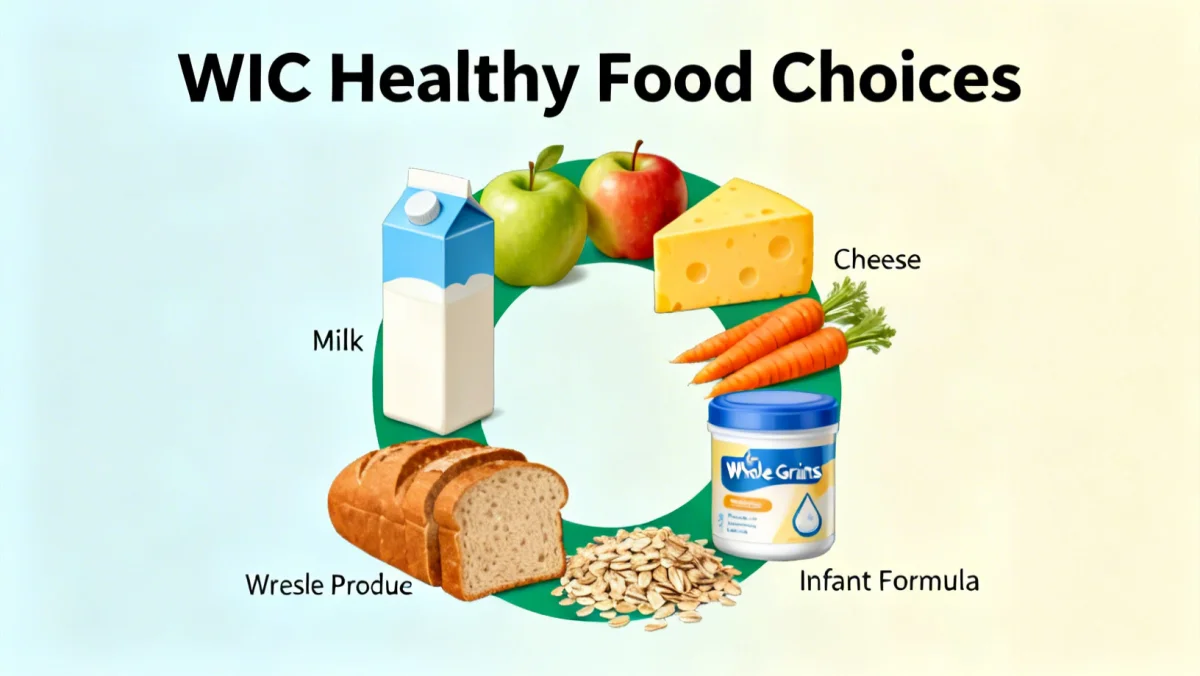
One of the most anticipated changes involves adjustments to the food packages. Experts have continually reviewed dietary guidelines, and the 2026 updates are expected to align WIC food offerings even more closely with the latest nutritional science. This means a greater emphasis on fresh produce, whole grains, and potentially an expansion of culturally appropriate food options, making healthy eating more accessible and appealing to a diverse participant base.
Expanded Food Choices and Flexibility
The anticipated expansion of food choices is a direct response to calls for greater flexibility and variety within the WIC food packages. This aims to empower participants to make healthier choices that better suit their family’s preferences and cultural backgrounds.
- Increased Cash Value Benefit: Expect a potential increase in the cash value benefit for fruits and vegetables, allowing families to purchase a wider array of fresh produce.
- Broader Product Selection: The program may permit a broader selection of certain food categories, such as yogurt or whole-grain options, to accommodate diverse tastes and dietary needs.
- Culturally Relevant Foods: Efforts are underway to integrate more culturally specific food items into the approved list, ensuring the program is inclusive and accessible to all communities.
These enhancements are not merely about adding more items; they are about fostering a more personalized and effective nutritional experience for WIC families. By offering greater choice, the program aims to increase participant satisfaction and adherence to healthy dietary patterns.
Eligibility and Application Process Streamlining
A crucial aspect of the 2026 WIC Program updates focuses on refining the eligibility criteria and simplifying the application process. The goal is to reduce barriers to entry, ensuring that all eligible families can easily access the benefits they are entitled to, without unnecessary hurdles.
While the core income guidelines and nutritional risk assessments will remain central to eligibility, there may be adjustments to how these are evaluated. For instance, new technologies could be integrated to verify income more efficiently, reducing the paperwork burden on applicants. Additionally, the definition of ‘nutritional risk’ might be broadened to encompass a wider range of modern health considerations, ensuring that more families facing genuine dietary challenges qualify for support.
Digital Transformation in Applications
The push for digital transformation is expected to significantly impact how families apply for WIC. This modernization aims to make the process more convenient and less time-consuming.
- Online Application Portals: Many states are moving towards or enhancing online application systems, allowing families to apply from the comfort of their homes.
- Virtual Certifications: The option for virtual certifications and re-certifications could become more widespread, reducing the need for in-person visits and accommodating busy schedules.
- Interoperability with Other Benefits: There’s a potential for greater integration with other state and federal benefit programs, allowing for easier cross-enrollment and reducing duplicative information submission.
These changes are designed to make the WIC program more accessible and user-friendly, ultimately increasing participation rates among eligible families. By simplifying administrative tasks, WIC agencies can dedicate more resources to direct participant support and education.
Enhanced Nutritional Education and Support
Beyond food packages and eligibility, the 2026 WIC Program updates will also place a strong emphasis on enhancing nutritional education and support services. Recognizing that education is key to long-term health, the program aims to deliver more personalized, engaging, and impactful learning experiences for participants.
New educational curricula are being developed, incorporating interactive tools and culturally sensitive materials. The goal is to move beyond generic advice and offer practical, actionable guidance that families can readily integrate into their daily lives. This might include workshops on budget-friendly meal preparation, understanding food labels, and strategies for encouraging healthy eating habits in young children.
Innovative Educational Approaches
The program is exploring innovative methods to deliver nutrition education, making it more accessible and effective for a diverse audience.
- Online Learning Modules: Interactive modules and webinars will provide flexible learning opportunities, allowing participants to access information at their convenience.
- Peer-to-Peer Support Networks: Strengthening networks where experienced WIC mothers can mentor new participants, offering practical advice and encouragement.
- Tailored Content Delivery: Utilizing data to provide more personalized nutrition advice, addressing specific health concerns or dietary preferences of individual families.
These enhancements underscore WIC’s commitment to not just providing food, but also equipping families with the knowledge and skills necessary to make informed dietary choices for a healthier future. The emphasis is on empowerment through education, fostering sustainable healthy habits.
Impact on Families with Young Children
The 2026 WIC Program updates are expected to have a profoundly positive impact on families with young children, directly addressing many of the challenges they face in ensuring optimal health and development. These changes are designed to alleviate financial burdens, improve nutritional intake, and provide stronger support systems during critical developmental years.
For parents, the expanded food options and increased cash value benefits for fruits and vegetables mean greater flexibility in feeding their children a balanced diet. This can significantly reduce the stress associated with grocery shopping on a tight budget, allowing families to prioritize nutrient-dense foods. Furthermore, streamlined application processes will save valuable time and effort, making it easier for busy parents to access the support they need.
Long-Term Benefits for Child Development
The enhancements in WIC are not just about immediate relief; they are an investment in the long-term health and developmental trajectory of young children.
- Improved Cognitive Development: Adequate nutrition in early childhood is directly linked to better cognitive function and academic performance later in life.
- Reduced Health Disparities: By providing access to healthy foods and education, WIC helps to mitigate health disparities often seen in low-income populations.
- Stronger Immune Systems: A well-nourished child is better equipped to fight off illnesses, leading to fewer sick days and better overall well-being.
Ultimately, these updates aim to create a healthier foundation for the next generation. By focusing on practical solutions and comprehensive support, the WIC program continues to be a vital resource for families dedicated to giving their children the best possible start in life.
Preparing for the 2026 WIC Program Updates
As the 2026 WIC Program updates draw closer, families and community organizations can take proactive steps to prepare for these changes. Being informed and ready will ensure a smooth transition and maximize the benefits available to eligible participants.
First and foremost, staying informed through official WIC channels is crucial. Local WIC agencies and state health departments will be the primary sources of accurate and up-to-date information regarding specific changes to eligibility, food packages, and application procedures. Regularly checking their websites or contacting them directly can help families understand how the updates will affect them personally.
Actionable Steps for Families
Families can begin preparing now to take full advantage of the upcoming changes, ensuring they are well-positioned to benefit from the enhanced program.
- Contact Your Local WIC Office: Reach out to inquire about any preliminary information or workshops being offered in anticipation of the 2026 updates.
- Review Current Eligibility: Understand the current WIC eligibility requirements to assess if your family continues to meet the criteria, or if new criteria might apply.
- Gather Necessary Documentation: Start organizing documents such as proof of income, residency, and identification, which will likely be required for application or re-certification.
For community organizations and healthcare providers, staying abreast of these changes is equally important. They play a vital role in disseminating information and assisting families with the application process. Training staff on the new guidelines and resources will be key to effectively supporting the community.
Addressing Common Concerns and Misconceptions
With any significant program update, common concerns and misconceptions are bound to arise. The 2026 WIC Program updates are no exception, and it’s important to address these directly to ensure clarity and maintain public trust. Many questions often revolve around eligibility changes, the types of foods available, and the ease of accessing benefits.
One common misconception might be that the updates will drastically reduce eligibility, thereby excluding many current participants. However, the intent of these changes is typically to expand or refine support, not to cut it. While specific criteria may be adjusted, the overall aim remains to serve those most in need. Another concern could be about the availability of preferred food items. The emphasis on expanded choices in food packages is designed to increase, not limit, options, ensuring a better fit for diverse dietary needs.
Clarifying Program Intentions
Understanding the underlying intentions of the WIC updates can help dispel many fears and clarify the program’s direction.
- Focus on Participant Well-being: All changes are driven by a commitment to improving the nutritional health and overall well-being of women, infants, and young children.
- Evidence-Based Adjustments: Updates are generally based on the latest scientific research in nutrition and public health, ensuring the program remains effective and relevant.
- Increased Accessibility: Efforts to streamline applications and expand virtual services are aimed at making WIC more accessible, not less.
By proactively addressing these potential concerns and providing clear, accurate information, WIC agencies can foster greater understanding and confidence in the program’s evolution. Transparency and open communication are vital in ensuring that families feel supported and well-informed throughout this transition.
| Key Update Area | Brief Description |
|---|---|
| Food Packages | Expanded choices, increased cash value for fruits/vegetables, culturally relevant options. |
| Eligibility & Application | Streamlined process, potential for online applications and virtual certifications. |
| Nutrition Education | Enhanced, personalized, and interactive learning modules with peer support. |
| Family Impact | Reduced financial burden, improved nutrition, stronger developmental support for children. |
Frequently Asked Questions About WIC 2026 Updates
The primary goals are to enhance nutritional support, expand food choices, streamline the application process, and provide more effective nutrition education. These updates aim to improve the health outcomes for pregnant women, new mothers, infants, and young children by making the program more accessible and responsive to current needs.
Food packages are expected to see expanded choices, potentially an increased cash value benefit for fruits and vegetables, and the inclusion of more culturally relevant food options. These changes are designed to align with the latest dietary guidelines and offer greater flexibility for families to choose healthy foods.
While core income guidelines and nutritional risk assessments will remain, there might be refinements in how eligibility is evaluated. The focus is on streamlining the process and potentially broadening the definition of nutritional risk, rather than drastically reducing who qualifies, to ensure more families in need receive support.
The 2026 updates anticipate a push towards digital transformation, including more widespread online application portals and virtual certification options. There’s also potential for greater interoperability with other benefit programs, aiming to make the application process more convenient and efficient for families.
Families should stay informed by contacting their local WIC office, reviewing current eligibility requirements, and gathering necessary documentation like proof of income and residency. Proactive engagement with WIC resources will ensure a smooth transition and maximize access to the enhanced benefits.
Conclusion
The 2026 WIC Program updates represent a forward-thinking evolution of a vital support system for families with young children. By focusing on expanded nutritional choices, streamlined access, and enhanced educational resources, these changes are poised to make WIC an even more effective and responsive program. These practical solutions are designed to not only alleviate immediate nutritional needs but also to foster long-term health and developmental advantages for the next generation. Staying informed and engaging with local WIC agencies will be key for families to fully leverage these significant enhancements, ensuring that every eligible child receives the strong start they deserve.
