2026 Housing Market: Affordability & Investment Insights
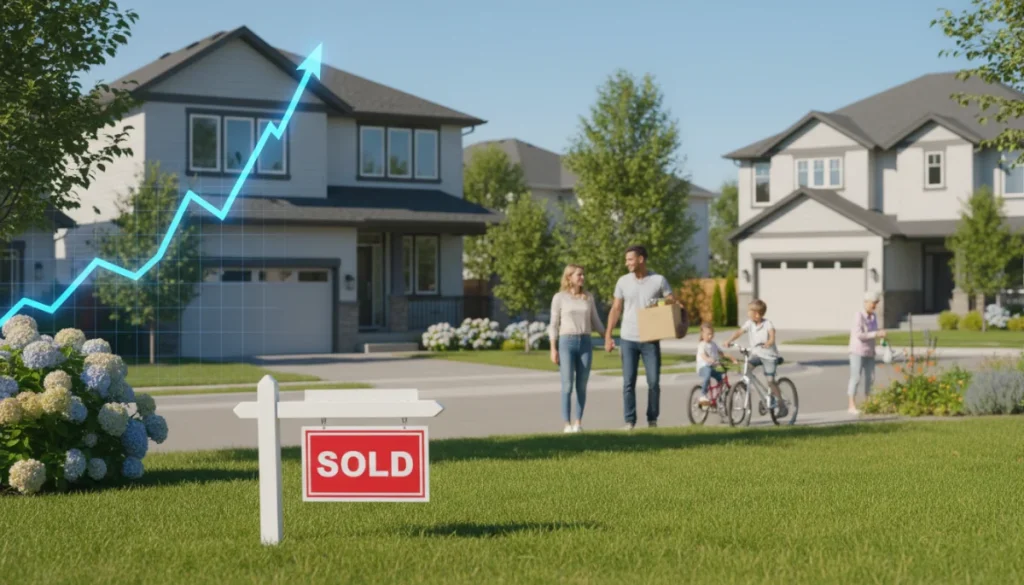
The 2026 Housing Market will likely present a complex landscape of persistent affordability challenges driven by high interest rates and limited inventory, alongside strategic investment opportunities for those who navigate evolving economic conditions.
As we look ahead to 2026, the discussion around The 2026 Housing Market: Affordability Challenges and Investment Opportunities is becoming increasingly critical for homeowners, potential buyers, and investors alike. Understanding the forces at play is essential for making informed decisions in an ever-evolving economic landscape. What does the future hold for housing, and how can you best position yourself?
Understanding the Economic Landscape Shaping 2026
The trajectory of the 2026 housing market is inextricably linked to broader economic indicators. Inflation, interest rates, and employment figures will continue to exert significant influence, shaping both demand and supply dynamics. A nuanced understanding of these factors is paramount for anyone looking to engage with the market effectively.
Current trends suggest a cooling, yet resilient, economy. While inflation has shown signs of moderation, it remains a key concern for central banks, directly impacting borrowing costs. These economic shifts create a challenging environment for first-time homebuyers but can also unlock new avenues for seasoned investors.
Inflation and its impact on housing costs
Persistent inflation directly erodes purchasing power, making housing less affordable. The cost of construction materials, labor, and even land has been on an upward trend, contributing to higher home prices. This phenomenon affects both new builds and existing homes, as sellers often adjust their prices to reflect increased replacement costs and overall economic inflation.
- Material Costs: Supply chain disruptions and global demand continue to influence the price of lumber, steel, and other essential building materials.
- Labor Shortages: A tight labor market in construction drives up wages, which developers pass on to consumers.
- Land Appreciation: Scarcity of developable land in desirable areas leads to significant price increases, especially in urban and suburban centers.
Interest rate projections and borrowing power
Interest rates are perhaps the most immediate and impactful factor for homebuyers. The Federal Reserve’s stance on monetary policy, guided by inflation targets, directly influences mortgage rates. Higher rates significantly reduce a buyer’s purchasing power, making monthly payments more expensive even if home prices stabilize.
Forecasting 2026 interest rates involves monitoring global economic stability, geopolitical events, and domestic economic performance. While some anticipate a plateau or slight decrease in rates as inflation cools, significant cuts are unlikely given the need to maintain economic equilibrium. This means buyers will likely continue to face elevated borrowing costs compared to the exceptionally low rates seen in previous years.
The economic landscape of 2026 will be defined by a delicate balance between controlling inflation and fostering sustainable growth. For the housing market, this translates into a period where financial prudence and strategic planning will be more crucial than ever. Understanding these underlying currents is the first step toward navigating the complexities of the market.
Affordability Challenges: A Deeper Dive into 2026
The issue of affordability is expected to remain a central theme in The 2026 Housing Market. A confluence of factors, including elevated home prices, higher interest rates, and stagnant wage growth relative to housing costs, continues to push homeownership out of reach for many Americans. This section dissects the specific challenges contributing to this affordability crisis.
Despite some regional variations, the national picture points to sustained pressure on potential buyers. Median home prices, while not appreciating at the rapid pace of the past few years, are unlikely to see significant declines. This creates a scenario where entry-level homes are particularly scarce and competitive, further exacerbating the problem for first-time buyers.
High home prices versus stagnant wage growth
The disconnect between rising home values and the slower growth of median household incomes is a primary driver of the affordability gap. In many metropolitan areas, the income required to comfortably afford a median-priced home has far outstripped what most workers earn. This disparity forces many to either delay homeownership, relocate to more affordable regions, or settle for smaller, less desirable properties.
- Income-to-Price Ratio: This critical metric continues to be stretched, indicating that homes are increasingly expensive relative to local earnings.
- Savings Difficulty: High living costs, including rent, make it challenging for aspiring homeowners to save for a substantial down payment.
- Generational Divide: Younger generations face unprecedented barriers to entering the housing market, often requiring familial assistance or a significant compromise on location and size.
The impact of limited housing inventory
A persistent shortage of available homes for sale is another significant contributor to high prices and reduced affordability. Years of underbuilding, particularly in the aftermath of the 2008 financial crisis, have led to a structural supply deficit. This problem is compounded by current homeowners, many of whom locked in historically low mortgage rates, being reluctant to sell and face higher rates on a new purchase.
This limited inventory fuels competition among buyers, often leading to bidding wars and homes selling above asking price, even in a cooling market. The lack of diverse housing options, from starter homes to mid-range properties, restricts choices and keeps prices elevated across various segments. Addressing this supply-side issue will be crucial for any long-term improvement in housing affordability.
In essence, the affordability challenges of 2026 are multifaceted, stemming from both economic pressures and structural imbalances in the housing supply. Tackling these issues will require a combination of policy interventions, innovative financing solutions, and a sustained effort to increase housing stock.
Investment Opportunities in a Shifting Market
While affordability remains a challenge for many, The 2026 Housing Market also presents unique investment opportunities for those with capital, strategic vision, and a tolerance for calculated risk. Understanding where these opportunities lie requires a keen eye on market segments, emerging trends, and evolving demographic shifts.
Investors will need to adapt their strategies from the rapid appreciation-driven approaches of previous years. The focus will likely shift towards value creation through renovation, strategic long-term holds, and identifying underserved market niches. This section explores potential avenues for profitable engagement.
Emerging markets and growth regions
Not all housing markets are created equal. While some established coastal cities may see price stabilization or even slight declines, certain emerging markets continue to offer strong growth potential. These often include cities with robust job growth, expanding tech or manufacturing sectors, and a lower cost of living that attracts internal migration.
- Sun Belt Cities: Regions in the Southeast and Southwest continue to attract population and business migration, driving demand for housing.
- Mid-Sized Tech Hubs: Cities developing strong tech ecosystems outside of traditional Silicon Valley offer compelling growth prospects.
- Affordable Urban Outskirts: As core urban areas become cost-prohibitive, satellite communities within commuting distance often experience increased demand.
Rental market strength and multifamily investments
Given the persistent affordability challenges in homeownership, the rental market is expected to remain robust. This creates an attractive environment for investors in multifamily properties, single-family rentals, and even specialized rental segments like build-to-rent communities. High demand for rental units, coupled with increasing rental rates, can provide strong cash flow and long-term appreciation.
Investing in the rental market requires careful consideration of local demographics, vacancy rates, and property management capabilities. However, for those looking for income-generating assets, the rental sector in 2026 is likely to be a compelling option, offering a hedge against broader market fluctuations and catering to a growing segment of the population unable or unwilling to buy.
The investment landscape of 2026 demands a sophisticated approach. By identifying overlooked areas, understanding demographic shifts, and focusing on income-generating properties, investors can uncover significant value even in a market characterized by affordability concerns.
The Role of Technology and Innovation
Technology continues to revolutionize the real estate industry, and its influence on The 2026 Housing Market will be profound. From how properties are searched and sold to how they are managed and financed, innovation is streamlining processes, enhancing transparency, and creating new opportunities for market participants. Embracing these technological shifts will be key to success.
Digital tools are not just conveniences; they are becoming essential for competitive advantage. Data analytics provides deeper market insights, virtual reality offers immersive property tours, and blockchain technology promises more secure and efficient transactions. These advancements are reshaping traditional real estate practices.
AI and data analytics for market prediction
Artificial intelligence and advanced data analytics are transforming how investors and homebuyers assess market conditions. AI algorithms can process vast amounts of data, including economic indicators, demographic trends, and localized market activity, to provide more accurate predictions on property values, rental yields, and investment risks. This predictive power allows for more informed decision-making.
- Automated Valuation Models (AVMs): AI-powered tools offer near real-time property valuations, enhancing transparency and efficiency.
- Predictive Analytics: Algorithms identify emerging hot spots, potential downturns, and optimal times for buying or selling.
- Personalized Recommendations: AI can match buyers with properties that fit their specific criteria and financial profiles more effectively.
Blockchain and proptech advancements
Blockchain technology, while still in its nascent stages within real estate, holds immense potential for the 2026 market. It promises to enhance security, reduce fraud, and streamline complex transaction processes by providing an immutable ledger of property ownership and transfers. This could significantly cut down on closing times and associated costs.
Proptech, or property technology, encompasses a broad range of innovations that improve various aspects of real estate. This includes smart home technologies that enhance property value and appeal, advanced construction techniques that reduce building costs and time, and digital platforms that simplify financing and property management. Staying abreast of these advancements is crucial for both investors and developers looking to gain an edge.
The integration of technology into the housing market is not a distant future but a present reality that will only intensify by 2026. Leveraging these tools will empower market participants to navigate challenges, capitalize on opportunities, and operate with greater efficiency and insight.

Government Policies and Regulatory Influences
Government policies and regulatory frameworks play a pivotal role in shaping The 2026 Housing Market. Decisions made at federal, state, and local levels can significantly impact everything from housing supply and affordability to lending standards and investment incentives. Understanding these influences is crucial for anticipating market shifts and adapting strategies accordingly.
Policymakers face the delicate task of balancing economic stability with the urgent need for more affordable housing. This often involves a mix of incentives for developers, assistance programs for first-time buyers, and regulations aimed at curbing speculative practices. The effectiveness of these policies will largely determine the market’s trajectory.
Federal housing initiatives and their impact
At the federal level, initiatives such as adjustments to Fannie Mae and Freddie Mac lending guidelines, FHA loan programs, and tax incentives for homeownership or affordable housing development can have widespread effects. Changes in capital gains taxes on real estate or modifications to mortgage interest deduction rules can also influence investor behavior and homeowner decisions.
- First-Time Homebuyer Programs: Federal and state programs offering down payment assistance or favorable loan terms aim to improve accessibility.
- Zoning Reform: Efforts to encourage more permissive zoning at the local level, supported by federal incentives, could boost housing supply.
- Infrastructure Spending: Investments in infrastructure can make previously less desirable areas more attractive for development and residency.
Local zoning and development regulations
Perhaps even more impactful than federal policies are local zoning laws and development regulations. These determine what can be built, where, and how densely. Restrictive zoning, often characterized by large minimum lot sizes and bans on multi-family housing, is a significant contributor to the housing supply shortage and high prices in many areas.
Many municipalities are beginning to reconsider these regulations, driven by the affordability crisis. Movements towards upzoning, allowing for greater density, and streamlining permitting processes are gaining traction. However, resistance from existing residents (NIMBYism – Not In My Backyard) often slows these reforms. The success of these local efforts will be critical in determining whether the housing supply can catch up with demand by 2026.
The interplay of government policies and market forces will define many aspects of the 2026 housing landscape. Staying informed about legislative changes and local development plans is essential for anyone involved in buying, selling, or investing in real estate.
Strategies for Buyers and Sellers in 2026
Navigating The 2026 Housing Market successfully will require adaptive strategies for both buyers and sellers. The days of rampant bidding wars and effortless sales may be behind us, replaced by a more balanced, yet still competitive, environment. Understanding how to position oneself effectively will be paramount to achieving desired outcomes.
For buyers, patience, financial preparedness, and a clear understanding of personal priorities will be key. Sellers, on the other hand, will need to focus on presentation, realistic pricing, and effective marketing to attract qualified offers. This section outlines practical approaches for both sides of the transaction.
Advice for prospective homebuyers
Prospective homebuyers in 2026 should prioritize financial readiness. This means strengthening credit scores, building a substantial down payment, and getting pre-approved for a mortgage to understand their true borrowing capacity. Given higher interest rates, exploring different loan products and understanding adjustable-rate vs. fixed-rate mortgages will be crucial.
- Financial Prudence: Focus on debt reduction and increasing savings for a down payment and closing costs.
- Market Research: Understand local market trends, including average days on market and price reductions, to gauge negotiation power.
- Flexibility: Be open to different neighborhoods, property types, or even considering a longer commute to find an affordable option.
- Professional Guidance: Work with experienced real estate agents and financial advisors who understand the nuances of the 2026 market.
Tips for homeowners looking to sell
Sellers in 2026 will likely face a market where homes no longer sell instantly or significantly above asking price. Presenting a well-maintained and updated property will be more important than ever. Investing in minor repairs, fresh paint, and professional staging can significantly enhance a home’s appeal and command a better price.
Pricing strategy will also be critical. Overpricing in a more balanced market can lead to prolonged listing times and eventual price reductions, which can deter potential buyers. Sellers should work closely with their real estate agent to conduct thorough comparative market analyses and price their home competitively from the outset. Highlighting energy efficiency and smart home features can also be a strong selling point.
Both buyers and sellers in 2026 will benefit from a proactive and informed approach. Adaptability, coupled with sound financial planning and expert advice, will be the cornerstones of successful real estate transactions in the coming years.
Long-Term Outlook and Future Trends
Looking beyond the immediate challenges and opportunities, The 2026 Housing Market provides a glimpse into longer-term trends that will shape real estate for decades to come. Understanding these foundational shifts is essential for strategic planning, whether you’re a homeowner, investor, or policymaker.
Demographic changes, evolving work patterns, and the increasing impact of climate change are just a few of the forces that will continue to redefine housing needs and preferences. The market will adapt, but those who anticipate these changes will be best positioned for success.
Demographic shifts and housing demand
The aging Baby Boomer generation, the large Millennial cohort entering their prime home-buying years, and the emerging Gen Z will all exert significant influence. Boomers may increasingly downsize, freeing up larger homes, while Millennials continue to drive demand for family housing. Gen Z will begin to enter the rental and starter home markets, creating new pressures.
- Millennial Homeownership: This generation’s continued push into homeownership will keep demand strong, particularly for suburban family homes.
- Aging-in-Place: A growing number of seniors prefer to remain in their homes, reducing inventory turnover.
- Migration Patterns: Population shifts towards more affordable regions and areas with strong job markets will continue to reshape local housing dynamics.
Sustainability and resilient infrastructure
The increasing awareness of climate change and environmental concerns will drive demand for sustainable and resilient housing. Homes with energy-efficient features, solar panels, and smart home technology will become more desirable and command higher values. New construction will increasingly prioritize green building practices to meet regulatory standards and consumer expectations.
Furthermore, investments in resilient infrastructure will become critical, especially in areas prone to natural disasters. Homes built to withstand extreme weather events, or those located in communities with robust protective measures, will likely see increased value and appeal. This focus on sustainability and resilience represents a significant long-term trend that will influence development, insurance costs, and property values well beyond 2026.
The long-term outlook for housing is one of continuous evolution. Demographic shifts will dictate demand, while environmental concerns and technological advancements will shape the types of homes we build and how we live in them. Adapting to these trends will be crucial for sustained success in the real estate sector.
| Key Aspect | Brief Description |
|---|---|
| Affordability Challenges | High interest rates, elevated home prices, and limited inventory continue to strain buyer budgets. |
| Investment Opportunities | Focus on rental properties, emerging growth markets, and value-add strategies for profitability. |
| Technological Impact | AI, data analytics, and PropTech are revolutionizing market analysis and transaction efficiency. |
| Government Influence | Federal and local policies, especially zoning, significantly shape housing supply and demand. |
Frequently Asked Questions About the 2026 Housing Market
While a rapid appreciation is unlikely, significant nationwide price drops are not widely predicted. Local markets may see corrections, but overall, stable or modest growth is expected due to persistent demand and limited inventory. Factors like interest rates and inflation will continue to influence regional variations.
Interest rates are expected to remain elevated compared to recent historic lows, impacting affordability by increasing monthly mortgage payments. Buyers will need strong financial planning and may benefit from exploring diverse loan options or adjusting their budget expectations to navigate higher borrowing costs effectively.
Investment opportunities in 2026 may shift towards rental properties, particularly multifamily units, and emerging growth markets with strong job prospects. Value-add strategies like renovations and identifying undervalued properties in transitioning neighborhoods could also yield significant returns for astute investors.
While some new construction is underway, the structural housing supply shortage is unlikely to be fully resolved by 2026. Efforts in zoning reform and increased development will help, but the backlog from years of underbuilding and current homeowner reluctance to sell will likely keep inventory tight in many areas.
Technology, including AI-powered analytics and PropTech, will be crucial for navigating the 2026 market. These tools offer deeper insights into market predictions, streamline property searches, and enhance transaction efficiency. Leveraging digital platforms can provide a competitive edge for both buyers and investors in a complex environment.
Conclusion
The 2026 Housing Market: Affordability Challenges and Investment Opportunities presents a complex yet dynamic picture. While affordability will continue to be a significant hurdle for many, driven by interest rates, inflation, and limited supply, the market is also ripe with strategic possibilities for those prepared to adapt. Investors can find success in emerging markets and rental properties, while technology will increasingly streamline processes for all participants. Navigating this landscape successfully will require a combination of informed decision-making, financial prudence, and an openness to evolving market conditions and innovative solutions.
